Technology is enabling smarter retail through real-time data, precise inventory, and tailored promotions. Stores deploy in-store sensors and digital signage to create responsive environments, while omnichannel systems sync pricing, availability, and experiences. An end-to-end data stack with governance underpins experimentation and measurable outcomes, ensuring consistent customer experiences from checkout to curbside. The result is trust, efficiency, and loyalty—but the pace of change invites a closer look at which capabilities truly drive value.
What Makes Retail Smarter Today
Retail today is smarter because data-powered insights translate into actionable store and online experiences. A data-driven framework aligns operations with customer needs, enabling precise assortment, pricing, and engagement strategies. Governance structures ensure data quality and compliance, while cybersecurity strategies protect trust and continuity. Strategic analytics empower proactive decisions, transparency, and accountability, supporting freedom to experiment within responsible, scalable retail ecosystems.
Real-Time Data: Inventory, Personalization, and Operations
Real-time data empowers smarter retail by synchronizing inventory, personalization, and operations across channels. This approach leverages inventory analytics to optimize stock levels, informs the supply chain with live signals, and fuels personalization engines that tailor offers.
Customer insights emerge from integrated data, guiding proactive decisions and measurable outcomes, while maintaining freedom to adapt strategies across platforms and evolving consumer expectations.
In-Store Tech That Delights Shoppers
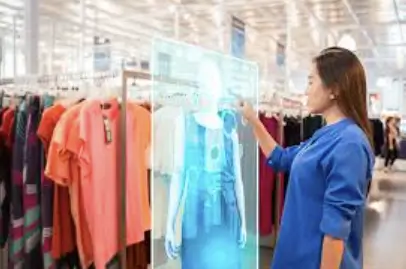
In-store technology that delights shoppers leverages intuitive interfaces and responsive environments to elevate the moment of purchase, guided by measurable impact on satisfaction, dwell time, and conversion.
The approach combines in store sensors and brick and mortar robotics with cashierless checkout, prioritizing data privacy.
It maps the customer journey, enabling omnichannel integration and actionable insights for freedom-driven retail decisions.
Building an End-to-End Tech Stack for Smarter Retail Experiences
The end-to-end tech stack for smarter retail experiences integrates core capabilities—data ingestion, processing, orchestration, and security—to create a cohesive, measurable path from shopper insight to personalized engagement.
This framework prioritizes customer experience, aligning data models and governance with actionable insights.
It addresses data privacy concerns, enables fulfillment automation, and supports a synchronized digital signage strategy across channels while maintaining strategic freedom and measurable outcomes.
Frequently Asked Questions
How Do Privacy Laws Affect Retail Tech Deployments?
Privacy laws constrain retail tech deployments by mandating privacy compliance and robust data governance. They compel strategic choices favoring transparency, consent, and risk management, balancing innovation with consumer trust to enable data-driven, customer-centric experiences while preserving freedom to operate.
What’s the ROI Timeline for Smart Shelves?
ROI timelines for smart shelves vary by retailer, but shelf analytics typically show payback within 12–24 months through increased conversion, improved inventory accuracy, and optimized promotions, delivering data-driven, customer-centric gains while preserving freedom to experiment and iterate.
How Do Retailers Balance Automation With Human Touch?
Balancing automation with human touch, retailers prioritize preserving human touch while leveraging demand forecasting beyond history, evaluating ROI timelines. They weigh integration costs, privacy implications, and data governance strategies, considering customer experience trade offs and data-driven ROI in dynamic environments.
See also: How Technology Is Supporting Digital Workplace Solutions
Can AI Predict Demand Beyond Historical Data?
“Every cloud has a silver lining.” AI forecasting can extend beyond historical data by integrating real-time signals, yet data privacy concerns must be managed; retailers pursue proactive demand insights while preserving consumer trust through robust governance and transparent practices.
What Are the Hidden Costs of Integration?
Hidden costs arise from integration timelines, vendor dependencies, and change management, while data governance ensures compliance, privacy, and trust. A data-driven, strategic approach aligns stakeholders, supports customer-centricity, and preserves freedom to innovate without compromising quality or security.
Conclusion
In this era of rapid data, the smarter retail vision hinges on what’s unseen as much as what’s seen. Real-time signals from inventory to personalized offers create a continuously adaptive commerce engine. As in-store tech reads the aisle and the shopper, operations tighten, governance strengthens, and privacy safeguards endure. The interwoven data stack promises consistent experiences across channels. Yet the next breakthrough—seamless, anticipatory service—lurks just beyond the current horizon, waiting to be unlocked by disciplined, customer-centric decisions.