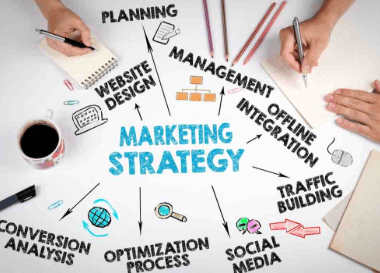
Marketing can become another source of pressure when a small team tries to keep every channel active at once. A steady stream of social posts, outreach emails, paid campaigns, and website updates takes time that may already be needed for serving customers and completing core work. A more sustainable approach is to choose a manageable mix of activities, set realistic expectations, and review results often enough to make informed adjustments.
For independent professionals and small businesses, the aim is not to be visible everywhere. It is to reach the right people consistently without turning promotion into a second full-time job. That starts with understanding what each channel requires and how its costs, workload, and likely outcomes fit the business.
Start With a Clear Marketing Goal
Before choosing a platform or campaign, identify the result marketing needs to support. A business might want more qualified enquiries, better awareness in a specific industry, or repeat visits to a service page. A clear goal makes it easier to choose relevant activities and avoid spending time on work that looks productive but does not move the business forward.
It also helps to set a practical measure of progress. That could be enquiries from a particular source, booked consultations, newsletter sign-ups, or sales from a campaign. The measure should match the goal; a rise in page views, for instance, may not mean much if the business needs paying customers.
Choose Channels That Match Available Time
Different marketing channels create different kinds of work. Publishing helpful articles may require research, writing, editing, and outreach. Paid advertising calls for budget decisions, campaign setup, monitoring, and landing-page improvements. Social media may demand frequent short-form updates and regular conversation with an audience.
Rather than trying to do all of these well at once, select one or two channels that fit the audience and the team’s capacity. A service business with useful expertise might prioritise practical articles and professional referrals. A product with a clearly defined audience may benefit from testing paid search. The right choice depends on where potential customers look for solutions and what the team can maintain over time.
Make Content Work Harder
Content can support several marketing tasks when it is planned around real customer questions. A detailed guide might become a short email, a few social posts, or material for a sales conversation. Reusing useful ideas in different formats is not a shortcut around quality; it is a way to make a research investment more efficient.
Guest contributions can also introduce a business to readers beyond its own website, provided the publication is relevant and the article offers genuine value. Lists of potential outlets, such as this collection of guest posting sites, can be a starting point for research, not a substitute for evaluating each site. Check whether its audience fits, whether its editorial standards are clear, and whether the proposed topic would be useful to its readers. A placement is unlikely to help much if it reaches the wrong people or exists only to place a link.
Set a Realistic Budget for Paid Campaigns
Paid advertising can provide faster feedback than organic content, but it is not a guaranteed route to sales. The amount spent depends on the platform, audience, competition, location, campaign objective, and how long the campaign runs. Costs can also extend beyond the ad budget if a business hires someone to create, manage, or improve the campaign.
Before launching, decide what the business can afford to test without relying on immediate returns. Track the full cost alongside useful outcomes, such as qualified leads or completed purchases. A campaign that receives clicks but produces no meaningful enquiries may need a different audience, offer, or landing page rather than a larger budget. For planning, Osdire’s guide to Google Ads pricing and display ads cost outlines factors such as click costs, monthly spend, setup, and management fees.
Protect Time for the Work That Matters
Marketing becomes difficult to sustain when it is treated as an uninterrupted stream of urgent tasks. Scheduling a defined block for writing, outreach, or campaign review helps prevent small activities from filling the entire week. A simple monthly plan can identify what will be published, which campaigns will run, and when results will be checked.
It is equally useful to define what can wait. Not every comment needs an immediate response, and not every trend deserves a new campaign. Setting boundaries around availability can help protect focused work and reduce the feeling that promotion must happen constantly to remain effective.
Review Results and Adjust Gradually
Regular review makes marketing more manageable because it replaces guesswork with evidence. Look at performance over a useful period, taking into account the time it can take for content or campaigns to gain traction. Keep activities that produce relevant outcomes, revise those with potential but weak results, and stop work that consistently consumes time without a clear benefit.
Small experiments are often easier to assess than broad changes. A business could test a new article topic, a different call to action, or a limited ad campaign while keeping other conditions stable. Changing too many things at once makes it harder to understand what influenced the result.
Build a Routine the Team Can Maintain
A sound marketing routine is not the one with the most channels or the busiest calendar. It is the one that supports business goals and can be carried out alongside the work customers already depend on. Start with a clear objective, choose a practical channel mix, set limits on time and spending, and review performance at regular intervals. That structure gives a small team room to learn and improve without letting marketing consume the work it is meant to support.