Most people who struggle with a mental health condition never receive anything close to intensive care. They see a therapist once a week, maybe try a medication, and hope things gradually improve. Sometimes that works. But for a meaningful portion of people, outpatient care simply is not enough to create real, lasting change. Understanding when a higher level of care becomes necessary, and what that care actually looks like, can make an enormous difference in someone’s recovery trajectory.
This article walks through how residential mental health treatment works, who it is designed for, what a typical stay involves, and how it compares to other treatment options. The goal is to give you a clear, honest picture so that if you or someone you care about reaches a crossroads, you have the information needed to make a thoughtful decision.
What Residential Mental Health Treatment Actually Means
Residential treatment means a person lives at a treatment facility for a defined period of time, typically ranging from 30 to 90 days, though shorter and longer stays are possible depending on the individual’s needs. Unlike an inpatient psychiatric hospitalization, which is usually short-term and focused on stabilization during a crisis, residential treatment is designed for sustained therapeutic work. The environment is structured but not clinical in the way a hospital ward is. Many residential programs operate in home-like settings, with shared common spaces, scheduled meals, and a daily routine built around therapy rather than medical monitoring.
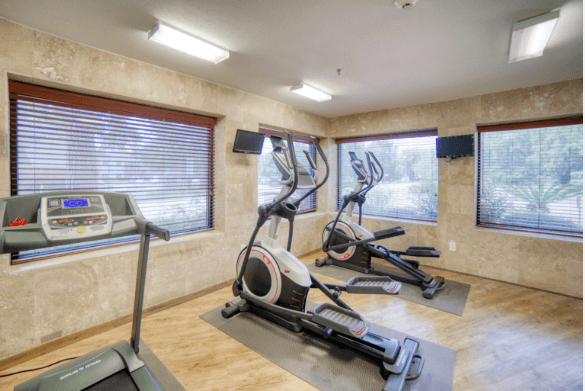
The defining characteristic of residential care is the intensity of programming. Residents typically participate in multiple therapy sessions each day, including individual therapy, group therapy, skills-based workshops, and psychoeducation. Many programs also integrate complementary approaches such as mindfulness, art therapy, exercise, or nutrition counseling. The idea is that when someone is removed from the stressors and triggers of their everyday environment and surrounded by consistent support, deeper therapeutic work becomes possible.
Who Is a Good Candidate for This Level of Care
Residential treatment is not the first step for everyone, and it is not necessary for every mental health condition. It tends to be most appropriate when outpatient approaches have been tried and have not produced sufficient results, or when a person’s symptoms are severe enough that functioning independently in daily life has become genuinely difficult.
Common reasons a clinician might recommend residential care include persistent suicidal ideation that does not require immediate hospitalization but does require close monitoring, a dual diagnosis involving both a psychiatric condition and a substance use disorder, severe eating disorders, treatment-resistant depression, or acute anxiety and trauma symptoms that are significantly impairing daily functioning. The National Institute of Mental Health estimates that serious mental illness affects roughly 5.5 percent of adults in the United States, and for a portion of that group, community-based outpatient services are simply not structured intensively enough to meet their needs.
- Symptoms have not responded adequately to outpatient therapy or medication
- The person is experiencing recurring crises or frequent emergency room visits
- Daily functioning at work, school, or home has broken down significantly
- A safe and supportive home environment is not available
- Co-occurring substance use is complicating mental health treatment
- A structured, immersive environment would remove the person from harmful patterns or relationships
How Residential Programs Are Structured
A well-designed residential program is not simply a place to rest. It follows a structured clinical model with measurable goals and a clear plan for each resident. Upon admission, a comprehensive assessment is conducted to identify diagnoses, treatment history, social circumstances, and personal goals. That assessment drives the creation of an individualized treatment plan, which is updated regularly throughout the stay.
Daily schedules in residential programs tend to follow a consistent pattern. Mornings often begin with a check-in or community meeting, followed by individual therapy, then group sessions. Afternoons may include skills training, recreational therapy, or family programming. Evenings are often less structured but still supervised. This consistency is intentional. Predictable routines help regulate the nervous system and reduce anxiety, which creates better conditions for therapeutic engagement.
Family involvement is another important element. Many programs offer family therapy sessions, educational workshops for loved ones, and structured communication plans. Research published in the journal Psychiatric Services has found that family engagement in mental health treatment is associated with improved outcomes and reduced rates of relapse, which is why reputable residential programs tend to treat the family system as part of the treatment process.
Comparing Levels of Mental Health Care
Mental health treatment exists on a spectrum of intensity. Knowing where residential care fits within that spectrum helps clarify when it makes sense and what alternatives might be appropriate.
| Level of Care | Setting | Hours per Week | Best Suited For |
| Outpatient therapy | Community office or telehealth | 1 to 3 hours | Mild to moderate symptoms, stable daily functioning |
| Intensive Outpatient Program (IOP) | Clinic or treatment center | 9 to 15 hours | Moderate symptoms, structured support needed but not 24/7 |
| Partial Hospitalization Program (PHP) | Clinic or treatment center | 20 to 30 hours | Significant impairment, step-down from residential or inpatient |
| Residential Treatment | Live-in facility | 40 to 60+ hours | Severe or treatment-resistant symptoms, immersive care needed |
| Inpatient Hospitalization | Hospital psychiatric unit | 24/7 medical supervision | Acute crisis, immediate safety concerns |
The American Association for Community Psychiatry developed a widely used set of guidelines called the LOCUS (Level of Care Utilization System) to help clinicians match patients to the appropriate intensity of care. These criteria consider factors like risk of harm, functional status, support systems, and treatment history. Decisions about level of care should always be made in collaboration with a qualified mental health professional who can assess the full clinical picture.
What to Look for When Evaluating a Residential Program
Not all residential programs are created equal. The quality of clinical staff, the evidence base behind the treatment approaches used, and the transparency of the program’s practices all matter significantly. When evaluating options, asking the right questions can help filter programs that are genuinely therapeutic from those that are less rigorous.
- Is the program accredited by a recognized body such as The Joint Commission or CARF International?
- What specific therapeutic modalities are used, and are they evidence-based? Look for approaches like Cognitive Behavioral Therapy, Dialectical Behavior Therapy, or EMDR for trauma.
- What are the credentials and licensure of the clinical staff?
- How are treatment plans individualized, and how often are they reviewed?
- What does the transition plan look like at discharge? A quality program will connect residents to step-down care.
- How does the program handle psychiatric medication management?
- What family involvement is offered, and how is it structured?
For those in the southern United States, access to high-quality programs is more available than many people realize. For example, residential mental health treatment in Houston, TX encompasses programs that serve a wide range of diagnoses with individualized, clinically guided care, which can be worth exploring for those who have not found adequate support through outpatient services alone.
What Happens After Residential Treatment Ends
One of the most critical pieces of any residential stay is what comes next. Discharge without a clear aftercare plan significantly increases the risk of relapse and re-hospitalization. A thoughtful transition plan typically includes a step-down to a partial hospitalization or intensive outpatient program, continued individual therapy, medication management with a psychiatrist, and connection to peer support or community resources.
Some people also benefit from sober living arrangements or transitional housing if their home environment poses a risk to their recovery. The transition period, roughly the first 90 days after discharge, tends to be when individuals are most vulnerable. This is why the best residential programs treat aftercare planning not as a final checklist item but as an ongoing part of treatment from the very first week of the stay.
Recovery from serious mental illness is rarely linear. It involves setbacks, adjustments, and ongoing learning. But residential treatment, when it is the right fit and when it is followed by consistent step-down care, can provide a kind of reset that outpatient services often cannot. For people who have been stuck in a cycle of partial recovery and recurring crisis, that reset can be genuinely life-changing.
If you are trying to figure out whether residential care makes sense for yourself or someone you love, the most useful first step is usually a thorough clinical assessment with a licensed mental health professional. That conversation, grounded in an honest look at symptoms, history, and circumstances, tends to be a much better guide than any checklist or online article. What matters most is getting the right level of care, not the most intensive one available.