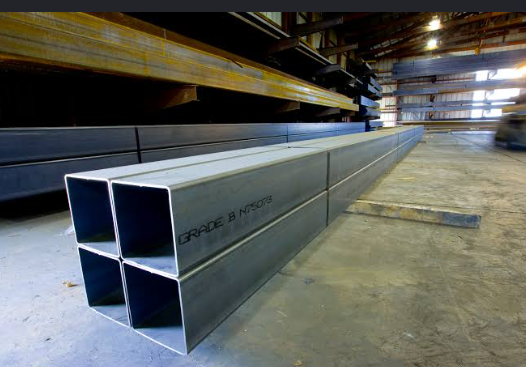
Structural engineering projects depend on steel tubing products manufactured to consistent quality standards capable of reliably supporting the design loads specified in engineering calculations. Understanding how structural grade steel tubing is specified and verified helps procurement teams support successful project outcomes.
Defining Structural Grade Requirements
Structural grade designations typically reference specific standards that establish minimum mechanical property requirements, including yield strength and tensile strength values that engineers rely upon when performing structural load calculations for their designs.
See also: 8 Kitchen Habits That Can Extend the Life of Your LPG Gas Chulha
Matching Tubing Selection to Engineering Specifications
Procurement teams sourcing structural grade tubing should work closely from project engineering specifications, ensuring the specific grade, profile shape, and dimensional requirements match precisely what has been calculated and specified in structural drawings, rather than substituting based on general availability alone.
Documentation Requirements for Structural Applications
Given the load-bearing role structural tubing plays in construction projects, comprehensive mill certification documenting chemical composition and mechanical property test results is typically required to satisfy both project specifications and applicable building code compliance requirements. Buyers can review available structural grade tubing options from Longma structrual grade steel tubing where grade and dimensional specifications are provided.
Coordinating Sourcing with Project Timelines
Structural tubing sourcing should be coordinated carefully with overall project construction timelines, as verification of compliance documentation and any required testing can introduce lead time considerations that procurement teams should factor into their overall project scheduling.
Common Questions
What determines the appropriate structural grade for a specific project? Structural grade selection is determined by engineering calculations based on the specific design loads and safety factors required for the particular structural application.
Can structural tubing be substituted based on general availability? This is not recommended, as substitutions should always be verified against project engineering specifications to ensure compliance with calculated structural requirements.
What documentation is typically required for structural tubing acceptance? Mill certification documenting chemical composition and mechanical property test results is typically required to satisfy project specifications and building code compliance.
Conclusion
Structural grade steel tubing plays a critical role in load-bearing construction applications, requiring careful attention to grade selection and documentation throughout the sourcing process. Close coordination with project engineering specifications helps ensure sourced material reliably supports the structural performance these projects demand.