Maintaining a safe plumbing system involves more than just fixing leaky taps or upgrading your kitchen appliances. While you might focus on aesthetic upgrades like a premium gas stone installation in Brisbane, safeguarding your drinking water from contamination is a legal and health priority. Brisbane City Council mandates annual backflow testing for properties with specific high-risk connections. This preventative measure ensures that dirty water from your property cannot flow backward into the public water mains. Managing this yearly requirement does not have to be stressful. By understanding the scheduling process and preparing your plumbing system beforehand, you can easily pass your annual inspection and keep your property compliant.
Understanding Backflow and Why Brisbane Mandates Testing
Backflow occurs when a sudden drop in water pressure causes water to flow in the reverse direction, pulling contaminants into the clean water supply. This pressure drop can happen during water main breaks or when firefighters draw large amounts of water from nearby hydrants. To prevent hazardous substances like chemicals, fertilisers, or greywater from entering the municipal grid, councils enforce strict plumbing codes. Property owners with boundary containment devices must schedule professional backflow testing in Brisbane every twelve months.
The local council keeps a registry of all backflow prevention devices installed across commercial and residential properties. Once your device is registered, you will receive an annual reminder notice indicating when your inspection is due. Ignoring this notice can lead to hefty fines and, more importantly, poses a severe health risk to your family and neighbours. The testing process involves checking the internal valves and seals of the device to ensure they withstand reverse pressure. Because these mechanical devices have moving parts that wear down over time, regular maintenance is the only way to guarantee they function correctly when pressure drops occur. Licensed plumbers must submit the test results directly to the council database within ten business days of the inspection. This transparent system keeps the city’s drinking water clean and ensures every property meets national plumbing standards.
Preparing Your Property for the Inspection
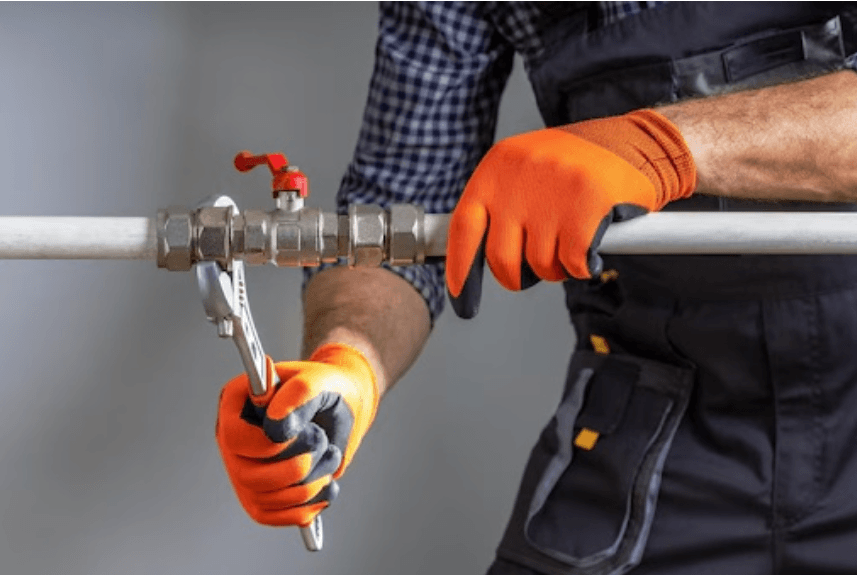
Preparing your property before the technician arrives speeds up the process and reduces the likelihood of unexpected delays. First, locate your backflow prevention device, which is typically situated near your water meter at the front boundary of your property. Ensure the area surrounding the device is clear of overgrown grass, garden mulch, or heavy debris. If your device is locked behind a gate or located in a utility room, arrange access for the technician in advance.
It is also wise to coordinate other household plumbing tasks at the same time to save on service fees. For instance, if you are renovating your kitchen and require a gas stone installation in Brisbane, you can hire a multi-skilled professional to handle both projects. Similarly, booking a qualified plumber in Ascot to inspect your general drainage system while they perform the backflow test maximises efficiency. Keep in mind that during the test, your water supply will be temporarily shut off for about twenty to thirty minutes. Informing your household members or commercial tenants about this brief disruption beforehand prevents inconvenience and allows the plumber to work without interruption. Clear communication ensures the technician can test the valves under stable conditions, completing the process quickly and safely.
What Happens During the Testing Process?
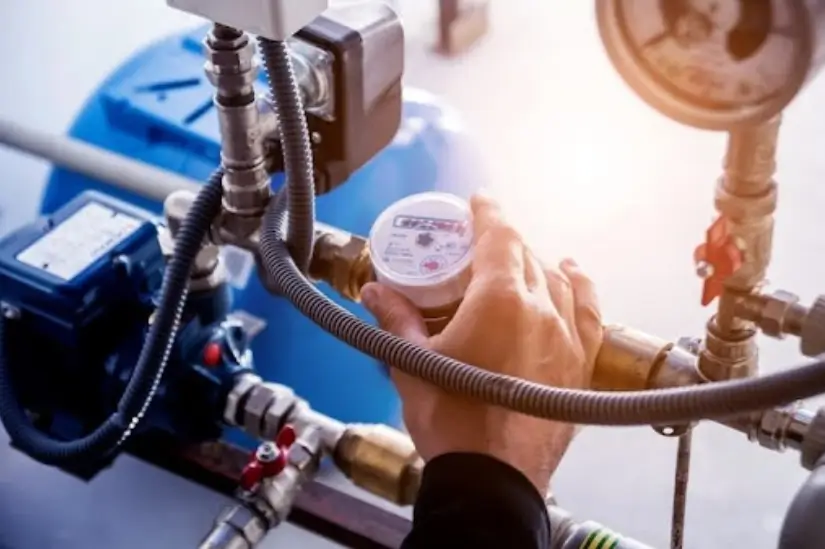
Knowing what happens during the inspection can demystify the process for property owners. When the licensed plumber arrives, they will first inspect the physical condition of the device, looking for signs of external damage, rust, or leaks. After this initial visual check, they will connect specialised test kit gauges to the test cocks on the backflow device. These gauges measure the pressure differential across the internal check valves.
The technician will run water through the test kit to verify that the valves seal tightly against backpressure. If the pressure readings fall within the regulated parameters, the device passes the inspection. However, if a valve leaks or fails to hold the required pressure, it must be repaired or replaced immediately. Standard backflow testing in Brisbane takes approximately thirty to forty-five minutes per device, assuming there are no major faults. If repairs are necessary, the plumber will usually replace the internal rubber seals or springs on the spot to avoid a second call-out fee. Once the device passes, the plumber completes the official test report, gives you a copy for your records, and submits the digital compliance form to the Brisbane City Council.
Choosing the Right Licensed Professional
Not every plumber is legally qualified to test backflow devices. You must hire a professional who holds a specific backflow prevention endorsement on their plumbing license. When searching for a reliable plumber in Ascot, always ask to see their credentials and verify that they are registered with the Queensland Building and Construction Commission. Working with an accredited local expert guarantees that your compliance paperwork is filed correctly, avoiding potential administrative fines.
Furthermore, choosing a versatile plumbing business allows you to address multiple property maintenance needs simultaneously. For example, a company that specialises in complex services like gas stone installation in Brisbane will have the advanced technical expertise required to manage sensitive pressure-testing equipment. These professionals understand the unique soil and water conditions across Brisbane suburbs, from the older heritage homes to modern commercial developments. They can quickly identify why a device might be failing, such as fine grit from the local water mains clogging the internal seals. Investing in a highly qualified specialist for your backflow testing in Brisbane ensures that your property remains safe, compliant, and structurally sound year after year. This proactive approach protects your property’s value and provides peace of mind that your drinking water is completely clean.
See also: Financial Compliance Strategies for New York Businesses
Common Reasons for Test Failures and How to Prevent Them
Understanding why backflow devices fail can help you take preventative action before your annual inspection date. The most common culprit is debris, such as silt, rust, or small pebbles, lodging inside the valve seats and preventing them from closing fully. This is particularly common after nearby water main repairs or heavy storms that disturb the local pipe network. Another frequent issue is the natural degradation of the rubber O-rings and seals inside the device, which typically require replacement every three to five years due to constant exposure to water pressure.
To minimise the risk of a failed test, consider installing an inline strainer upstream of the backflow device to catch debris before it reaches the sensitive internal mechanisms. If you notice dirty water, fluctuating water pressure, or unusual noises coming from your pipes, do not wait for your annual notice. Contact a trusted plumber in Ascot immediately to diagnose the issue. Regular plumbing maintenance, combined with prompt repairs of minor leaks, keeps your entire system in top condition, making the annual compliance check a quick and hassle-free formality. Taking these small preventative steps saves you money on emergency repairs and ensures your property always passes its council inspections.
Conclusion
Managing annual backflow testing is a vital responsibility for Brisbane property owners. It protects the community’s drinking water from contamination and keeps your property compliant with local council regulations. By understanding the testing process, clearing the area around your device, and hiring a qualified licensed specialist, you can ensure a smooth inspection. Coordinating this annual requirement with other essential property maintenance, such as appliance upgrades or general plumbing health checks, maximises efficiency and saves on service costs. Stay proactive with your plumbing maintenance, schedule your inspections on time, and enjoy the peace of mind that comes with a safe, fully compliant water supply system.