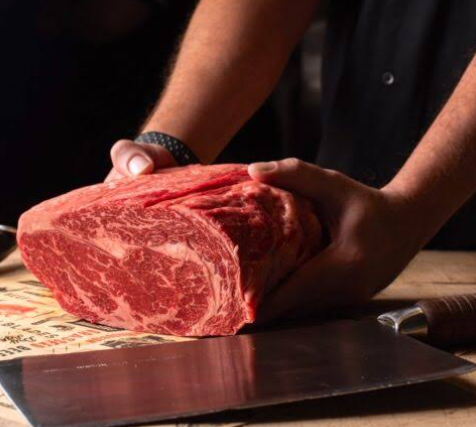
Beef is a versatile ingredient found in restaurants, cafés, hotels, catering businesses, and home kitchens throughout Hong Kong. From stir-fries and hot pots to steaks, soups, noodles, and slow-cooked dishes, beef can be prepared in countless ways. For many households and food businesses, frozen beef provides a practical way to maintain a dependable supply while preserving the ingredient until it is needed.
Choosing suitable frozen meat, however, requires more than simply selecting a package from a freezer. Buyers should consider product quality, cut, packaging, storage conditions, cooking requirements, and food-safety practices. Understanding these factors can make meal preparation easier and help businesses maintain consistent standards.
Why Frozen Beef Can Be a Practical Choice
Freezing is a common method of preserving meat for later use. When handled and stored correctly, frozen beef can provide convenience for consumers who do not need to purchase fresh meat every day.
For restaurants and catering businesses, frozen products can also make inventory planning easier. Instead of relying entirely on daily deliveries, businesses can maintain an appropriate stock of commonly used cuts and plan their menus around available ingredients.
For households, frozen beef can be useful when preparing meals on different days. Properly packaged portions can be stored until needed, reducing the need for frequent shopping trips.
The key is to maintain the correct temperature throughout storage and avoid unnecessary temperature fluctuations.
Understanding Different Beef Cuts
Different cuts of beef have different characteristics, which means the best choice depends on the intended recipe.
Tender cuts can be suitable for quick cooking methods such as grilling or pan-searing. Other cuts may contain more connective tissue and can work particularly well in slow-cooked dishes, stews, soups, and braised recipes.
When selecting meat, consider how it will be prepared. A restaurant serving steaks may prioritize different cuts from a business preparing hot pot dishes or beef noodles.
Understanding the relationship between the cut and cooking method can help buyers avoid wasting ingredients and achieve better results.
What to Check When Buying Frozen Meat
Packaging is one of the first things buyers can inspect. The package should be intact and appropriately sealed, without obvious damage that could compromise the product.
Labels can also provide useful information about the product, including its description, weight, storage requirements, origin information where applicable, and relevant dates.
Buyers should also look at the overall condition of the frozen product. Excessive ice buildup or damaged packaging may indicate that the product has experienced unsuitable storage conditions or temperature changes.
When purchasing frozen beef Hong Kong customers should pay attention to product information and storage guidance so that the meat can be handled appropriately after purchase.
The Importance of Proper Freezer Storage
Correct storage is essential for maintaining the quality of frozen meat.
A freezer should remain at an appropriate temperature, and the door should not be left open unnecessarily. Frequent temperature changes can affect stored food and may contribute to quality problems over time.
Packages should also be arranged in a way that allows the freezer to remain organized. Older products can be placed where they are easy to identify so they can be used before newer purchases.
For commercial kitchens, inventory management is especially important. Businesses can use simple labeling systems to record purchase dates and organize products according to a first-in, first-out approach.
Safe Thawing Practices
Thawing is an important part of preparing frozen beef. The method used can influence both food safety and cooking quality.
A controlled refrigerator thaw is generally a practical approach because it keeps the meat at a cold temperature while it gradually defrosts. Depending on the size of the cut, this process may require planning in advance.
Microwave thawing can also be used in situations where the meat will be cooked immediately afterward, provided the appliance and food are handled correctly.
Leaving frozen meat at room temperature for extended periods is not a good practice. The safest approach is to plan the thawing process and keep the product under appropriate temperature control.
Maintaining Kitchen Hygiene
Good hygiene should be part of every stage of meat preparation.
Hands, cutting boards, knives, counters, and other utensils should be cleaned appropriately before and after handling raw meat. Raw beef should also be kept separate from foods that are ready to eat.
Commercial kitchens can reduce cross-contamination risks by using designated preparation areas and clear cleaning procedures. Staff training is equally important because even a well-designed kitchen depends on employees following established food-safety practices.
Separate utensils for raw and cooked ingredients can make kitchen routines easier to manage.
Cooking Beef Successfully
The cooking method should match the cut being used. Thin slices can work well in quick stir-fries, while tougher cuts may benefit from longer cooking at controlled temperatures.
For dishes such as hot pot, beef can be sliced thinly so that it cooks quickly. For stews and braised dishes, larger pieces may be preferred because they can develop a rich texture during slower cooking.
Seasoning also plays an important role. Beef can work with a wide range of flavors, including soy-based sauces, garlic, ginger, pepper, herbs, spices, and marinades.
The final result depends on balancing the cut, preparation method, cooking time, and seasoning.
Planning Portions for Restaurants
Food businesses need to consider portion control when purchasing meat. Buying appropriate quantities can help reduce unnecessary waste while ensuring enough ingredients are available during service.
Restaurants can review their sales patterns to estimate how much beef is normally required each week. Popular dishes may require larger quantities, while seasonal menu items may need less.
Portioning meat before storage can also make kitchen operations more efficient. Smaller portions can be thawed when required instead of repeatedly handling a larger quantity.
This approach can improve organization and help staff prepare meals more quickly.
Avoiding Common Mistakes
One common mistake is repeatedly thawing and refreezing meat without following appropriate food-safety procedures. Businesses should plan portions carefully so that only the necessary amount is thawed.
Another issue is poor freezer organization. If packages are not labeled or dated, older products can easily remain unused for too long.
Improper handling of raw meat is another concern. Using the same cutting board or utensils for raw and ready-to-eat foods without proper cleaning can increase the risk of cross-contamination.
Simple procedures can prevent many of these problems.
Making Better Purchasing Decisions
Price is naturally an important consideration, but it should not be the only factor when choosing frozen meat.
Buyers should also evaluate product consistency, packaging, storage requirements, cut selection, and suitability for their recipes. Businesses may benefit from keeping records of which products perform well in their kitchens.
For households, buying according to actual consumption can prevent excessive storage. Purchasing large quantities only makes sense when there is enough freezer capacity and a realistic plan for using the meat.
A balanced approach can help customers get better value while maintaining appropriate food-handling standards.
See also: Website Design in Melbourne: DIY Website Builders vs Professional Agencies Compared
FAQs
1. Is frozen beef suitable for everyday cooking?
Yes. Properly stored frozen beef can be used for many everyday recipes, including stir-fries, soups, stews, hot pots, and grilled dishes.
2. What should I check before buying frozen beef?
Check the packaging, product information, storage instructions, and overall condition of the frozen product. Damaged packaging should be treated cautiously.
3. What is a good way to thaw frozen beef?
Planning ahead and thawing the meat under controlled refrigerated conditions is a practical approach. If using another method, follow appropriate food-safety guidance and cook the meat promptly when required.
Conclusion
Choosing and handling frozen beef properly can make meal preparation more convenient for both households and professional kitchens. The most important considerations include selecting an appropriate cut, checking packaging, maintaining proper freezer conditions, thawing carefully, and preventing cross-contamination.
With organized storage and sensible purchasing habits, frozen meat can become a reliable part of a kitchen’s ingredient supply. Whether preparing a quick stir-fry at home or serving a busy restaurant menu, good handling practices help preserve quality and support safer food preparation.