Most homeowners spend an average of 70 hours per year mowing, edging, and maintaining a natural lawn, according to the National Gardening Association. That is nearly two full work weeks spent just keeping grass alive. For a lot of people, that number alone is enough to spark serious questions about whether a natural lawn is really worth it, or whether artificial grass might be a smarter long-term choice.
This article walks through the key differences between artificial grass and natural turf across several practical categories: cost, maintenance, environmental impact, durability, and aesthetics. The goal is straightforward: give you the honest picture so you can decide what actually fits your yard, your budget, and your lifestyle.
How the Two Options Compare at a Glance
Before getting into the details, a side-by-side comparison helps frame the conversation. Both surfaces have genuine advantages and real drawbacks. Neither is universally superior. The right choice depends heavily on your local climate, how you use your outdoor space, and what you value most.
| Category | Natural Grass | Artificial Grass |
| Upfront Cost | Lower installation cost | Higher installation cost |
| Annual Maintenance Cost | $500 to $1,500+ per year | Minimal, mostly occasional cleaning |
| Water Usage | High, especially in dry climates | None required for plant survival |
| Lifespan | Ongoing with consistent care | Typically 15 to 25 years |
| Heat Retention | Stays relatively cool | Can get hot in direct sunlight |
| Appearance | Varies by season and care | Consistent year-round |
| Eco Considerations | Absorbs CO2, supports insects | No pesticides, saves water |
The Real Cost Breakdown Over Time
Sticker price comparisons between artificial and natural grass can be misleading. Natural grass is cheaper to install, sometimes dramatically so. Seeding a lawn might cost just a few hundred dollars, while sodding runs higher. Artificial grass installation, by contrast, typically ranges from $5 to $20 per square foot installed, depending on the product quality, base preparation, and region.
That gap closes over time, though. Natural grass demands regular fertilizing, pest control, aeration, overseeding, irrigation, and mowing. When you add up those recurring costs across 10 or 15 years, many homeowners find they have spent more maintaining natural grass than they would have paid upfront for a quality artificial installation. A 2021 analysis by the Water Research Foundation found that a typical California household with a natural lawn uses approximately 50 percent of its total water supply on outdoor irrigation, primarily grass. In drought-prone regions, those water bills carry real weight.
Artificial grass does require some ongoing care, but the costs are modest. Occasional rinsing to remove dust or pet waste, brushing fibers to keep them upright, and checking infill levels every year or two are the main tasks. There are no fertilizers to buy, no irrigation systems to maintain, and no lawn care service invoices landing in your mailbox.
Maintenance: What Each Surface Actually Demands
The maintenance gap between these two surfaces is one of the most significant practical differences. Natural grass is a living system. It needs consistent attention to stay healthy and presentable.
- Mowing: typically weekly during growing season
- Watering: several times per week without rain, daily in summer heat
- Fertilizing: 2 to 4 times per year depending on grass variety
- Aeration: once or twice annually to reduce soil compaction
- Overseeding: often needed after heavy use or drought stress
- Weed control: ongoing, especially along edges and bare patches
- Pest and disease treatment: as needed for grubs, fungus, or other issues
Artificial grass sidesteps nearly all of those tasks. The surface does not grow, so there is no mowing. It does not need water to survive. Weeds can occasionally push through the edges or seams if the installation was not done carefully, but that is uncommon with proper base preparation. The main upkeep tasks are rinsing away debris, brushing the fibers periodically to prevent matting, and deodorizing in households with pets.
Pets are actually one of the more common reasons homeowners switch to artificial turf. Dogs tend to destroy natural lawns through digging, urine burn, and heavy traffic. Artificial grass handles all three problems reasonably well, provided the drainage system is installed correctly.
Environmental Considerations Worth Understanding
The environmental debate around artificial grass is genuinely nuanced. Neither side has a clean record, and the right answer often depends on which specific impacts matter most to you.
Where Natural Grass Has the Edge
A healthy natural lawn does support a small ecosystem. It absorbs carbon dioxide, produces oxygen, supports pollinators and soil microbes, and contributes to groundwater recharge through rainwater absorption. Grass also stays cooler than hard surfaces, which can matter in urban heat island contexts.
Where Artificial Grass Has the Edge
Artificial turf eliminates the need for pesticides, herbicides, and synthetic fertilizers, all of which carry runoff risks. It also removes water consumption entirely, which is a significant factor in water-stressed regions like the American Southwest. The American Water Works Association estimates that outdoor watering accounts for roughly 30 percent of total household water use nationally, and that figure is considerably higher in arid states. Switching to artificial grass can cut overall household water usage meaningfully.
The valid concern on the artificial side involves the materials themselves. Most artificial turf is made from polyethylene or polypropylene, which are petroleum-derived plastics. End-of-life disposal is a real issue since most artificial turf is not easily recyclable through standard channels. Some manufacturers have made progress on take-back programs, but the industry as a whole is still working on sustainable solutions for aging turf products.
Durability, Safety, and Heat
Artificial grass is built to handle heavy traffic. It does not thin out, develop bare patches, or go dormant in winter. For high-use areas like backyards with children, dog runs, or commercial spaces, the surface holds up consistently in a way that natural grass simply cannot.
The heat issue deserves honest mention, though. Artificial turf absorbs and retains heat from the sun. On a hot summer day, surface temperatures on artificial grass can reach 150 to 180 degrees Fahrenheit, according to research published in the Journal of Athletic Training. Natural grass stays far cooler because of transpiration, the process by which plants release moisture. This is a real consideration for families with young children or pets who spend time barefoot on the surface during peak summer heat.
Several strategies can help manage heat. Shading from trees or pergolas reduces surface temperatures significantly. Some infill products, including crumb rubber alternatives like coated sand or organic materials, retain less heat than others. Lightly misting the surface with water before use also brings temperatures down quickly, though it adds back a small water use element.
Safety standards for artificial grass have improved considerably. Modern products designed for residential use typically meet standards for lead-free materials and appropriate shock absorption. Buyers should look for products that carry third-party certifications and ask installers directly about infill composition.
Aesthetics and What to Realistically Expect
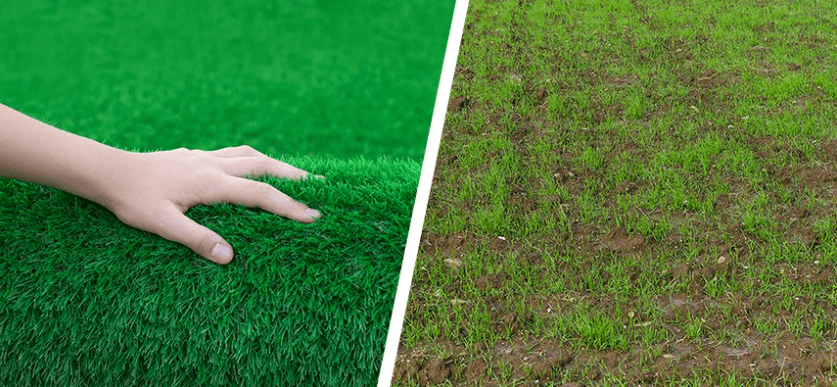
Early generations of artificial grass looked noticeably fake. The uniform bright green and rigid fibers were hard to mistake for the real thing. That has changed substantially. Current high-quality products use multi-tonal fibers with natural-looking variations in color and texture. Different pile heights and blade shapes are available to mimic specific grass types. From a reasonable distance, and even up close with premium products, modern artificial grass is genuinely convincing.
That said, a trained eye can usually still tell the difference. The surface lacks the organic irregularity of a real lawn and does not move quite the same way in a breeze. For homeowners who find beauty in the seasonal rhythms of a natural lawn, the fresh-cut smell, the different shades of green through the year, the small imperfections that make a yard feel lived-in, artificial grass will not replicate that experience.
Resources like https://goturf.com/ offer a useful starting point for understanding what product options currently exist, what installation processes typically involve, and what realistic pricing looks like in different regions. Browsing real project galleries can also help set expectations about appearance before making any commitments.
Choosing What Actually Fits Your Situation
The decision comes down to a few honest questions. How much time are you realistically willing to spend on lawn care? How important is water conservation in your area? Do you have pets or kids who create high-traffic zones that natural grass struggles to survive? What is your climate like, and does that climate already make natural grass difficult to maintain?
- If water is scarce and lawn maintenance feels like a burden, artificial grass often makes strong practical sense.
- If you live in a temperate, rainy climate and enjoy gardening, natural grass may cost less and feel more rewarding.
- If you have a small yard with heavy foot traffic, artificial grass tends to hold up far better over time.
- If environmental biodiversity matters deeply to you, natural grass with organic care practices is the more ecologically active choice.
- If budget is the primary constraint, natural grass wins upfront, though the long-term math often shifts.
There is no universally correct answer here. Both surfaces serve real needs. The key is matching the choice to your actual circumstances rather than an idealized version of what a lawn should be. Take stock of your climate, your habits, your yard size, and your priorities. The answer usually becomes clearer once you look at those factors together rather than at the products in isolation.