Every car tells a story. Some stories begin with a gleaming showroom floor. Others begin with a hand-me-down sedan, a first paycheck, and a quiet promise that this machine will be cared for better than anything else in the driveway. No matter where your story starts, one truth remains stubbornly simple: the life of your vehicle depends heavily on what happens inside the engine, where heat, friction, pressure, and motion never truly rest.
That is where engine oil matters most.
It is easy to think of oil as just another fluid on a maintenance checklist, something to change when the sticker says so and forget about until the next appointment. But that view misses the heart of it. Oil is not just a lubricant. It is a protector, a cleaner, a temperature regulator, and, in many ways, the quiet guardian of your car’s future. If you want your vehicle to stay dependable for years, understanding this role is not optional. It is essential.
Why engine oil matters more than most drivers realize
Inside your engine, metal parts move at astonishing speed. Pistons rise and fall, crankshafts spin, valves open and close, and every one of those actions creates friction. Left unchecked, that friction becomes destructive. Components grind, heat builds, surfaces wear down, and performance slowly begins to fade.
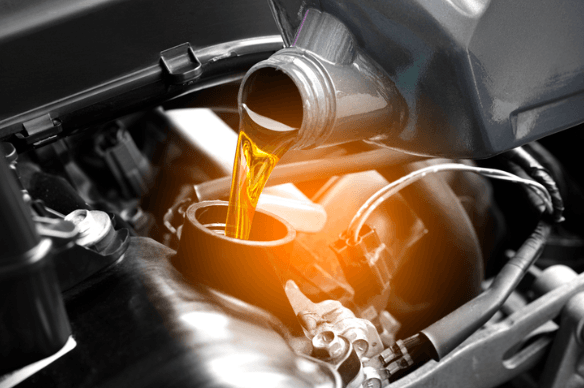
Oil creates a thin protective film between those moving parts. That barrier reduces direct metal-to-metal contact, which helps prevent premature wear. It also carries away heat, traps contaminants, and helps keep internal components cleaner than they would otherwise be. In other words, it does work you never see, but your car feels every second.
There is something deeply human about that kind of hidden support. We often admire the visible things: horsepower, design, speed, shine. But longevity is usually built in the unseen places. That word, build, brings to mind a small memory many of you may recognize. A father once spent weekends helping his daughter build a wooden shelf for her garage tools. The paint looked great in the end, but what made it last were the carefully measured supports underneath. Your engine works the same way. Strength is not just what shows. Strength is what silently holds everything together.
Choosing the right viscosity, including 5w30 engine oil
Not all oils are the same, and choosing the correct viscosity can shape your engine’s long-term health. Viscosity refers to how easily engine-oil flows at different temperatures. If it is too thick, it may not circulate well during cold starts. If it is too thin, it may not protect effectively under high heat.
That is why manufacturers recommend specific grades. For many vehicles, 5w30 engine oil is a popular choice because it performs well across a broad temperature range. It flows smoothly when the engine is cold and still provides dependable protection once the engine reaches operating temperature. That balance makes it especially valuable for daily drivers facing changing seasons and stop-and-go traffic.
Still, you should not assume one type fits every car. Your owner’s manual is more than a booklet tossed into the glove box. It is a roadmap to better maintenance decisions. Following its guidance helps you protect fuel economy, performance, and the engine’s lifespan.
How oil protects against sludge, dirt, and silent damage
The dangers inside an engine are not limited to friction. Over time, combustion byproducts, dirt, microscopic metal particles, and moisture can contaminate the oil. Without proper circulation and regular changes, those contaminants can turn into sludge, a thick, sticky buildup that blocks passages and restricts lubrication.
When sludge forms, trouble rarely arrives with a dramatic warning. It creeps in. The engine may run hotter. Efficiency may dip. Small noises may begin. By the time major symptoms appear, damage may already be underway.
This is where routine care becomes powerful. Fresh oil contains additives designed to clean, protect, and stabilize performance. These additives help suspend particles so the oil filter can catch them, rather than letting them settle where they can harm sensitive components.
There is also a lesson here about paying attention before a problem becomes expensive. A mechanic once tried to calculate how much neglect had cost a customer who skipped oil changes for nearly two years. The final number was painful, but the real sting was emotional. The customer had not lost just money. He had lost trust in a car he depended on every day. Small maintenance choices can echo loudly later.
Reading the signs your car may be asking for help
Cars communicate, though not with words. They speak in smells, sounds, dashboard lights, and changes in performance. If your oil is overdue for replacement, you may notice rougher engine operation, knocking sounds, reduced fuel efficiency, or darker, dirtier oil on the dipstick.
Do not dismiss those signs as minor quirks. Engines are durable, yes, but they are not invincible. Delayed maintenance often creates a chain reaction. One avoidable issue strains another part, then another, and the repair bill grows heavier.
The language we use around cars can even become strangely emotional. Consider the word connotative. A teacher once explained to a classroom that words carry feelings beyond their dictionary definitions. The same is true when someone says a car “sounds tired.” That phrase is connotative, not technical, yet nearly everyone understands it. You can hear when a machine is not happy. You can sense when it is being asked to give more than it should.
When 5w30 engine oil supports long-term reliability
Using the correct oil on schedule is one of the simplest ways to keep your car dependable. If your manufacturer recommends 5w30 engine oil, sticking with that specification helps ensure proper lubrication during startup and strong protection under normal operating heat. That consistency can reduce wear over thousands of miles and support smoother engine behavior over the years.
Regular oil changes also create an opportunity for inspection. During service, leaks may be spotted early. Filters are replaced. Fluid levels can be checked. Small concerns are often caught before they become disruptive failures. Maintenance is not just about replacing a fluid. It is about preserving peace of mind.
A well-maintained engine tends to start more confidently, run more smoothly, and deliver the kind of reliability that makes daily life easier. And when a car does that for you on cold mornings, long commutes, or late-night drives home, it earns something more than appreciation. It earns loyalty.
The lasting value of consistent oil care
If you want your car to last, oil care cannot sit at the bottom of your priority list. It is one of the most cost-effective habits in vehicle ownership, yet it has one of the biggest impacts on durability. Proper oil reduces wear, manages heat, limits contamination, and supports the intricate choreography happening under the hood every time you turn the key.
Cars age, of course. Every machine does. But age and neglect are not the same thing. A vehicle that receives timely care often keeps giving back in the form of smoother performance, fewer major repairs, and a longer useful life. That is the quiet power of smart maintenance.
When you take oil seriously, you are not just protecting parts. You are protecting the memories tied to every mile, every errand, every road trip, every ordinary day made easier by a car that simply works when you need it. And sometimes, that kind of dependability means more than we realize