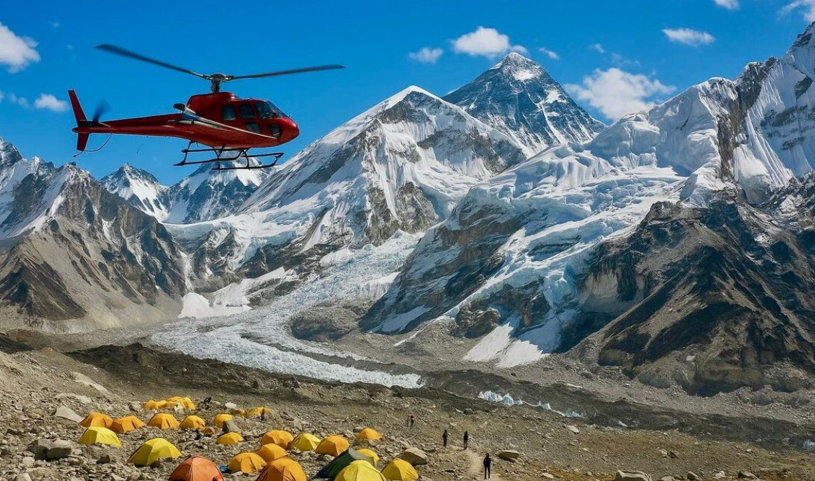
See Everest Without Spending Days on the Trail
Not everyone who wants to stand in front of Everest has two or three weeks to spare. Some people have a work trip with a few free days tacked on. Others have knees that stopped agreeing to long descents years ago. And plenty of travelers simply look at the Everest Base Camp trek — the altitude, the walking days, the gear list — and decide it’s not for them, at least not this time. That’s where an Everest Base Camp helicopter tour comes in. Instead of ten or twelve days on the trail, you get a few hours in the air, flying past some of the tallest mountains on the planet.
This kind of trip suits a particular type of traveler: someone short on time, a family that wants a shared experience without splitting up by fitness level, older visitors who still want to see the Himalayas up close, or photographers chasing that one perfect angle of Everest without the trek’s physical toll. A helicopter journey isn’t a replacement for walking the trail — it’s a different way of experiencing the same mountains, built around speed and access rather than immersion.
This guide walks through the route, timing, what actually drives the cost, landing realities, safety considerations, and how to pick an operator you can trust — everything you’d want answered before booking a Helicopter Tour in Nepal.
What Is an Everest Base Camp Helicopter Tour?
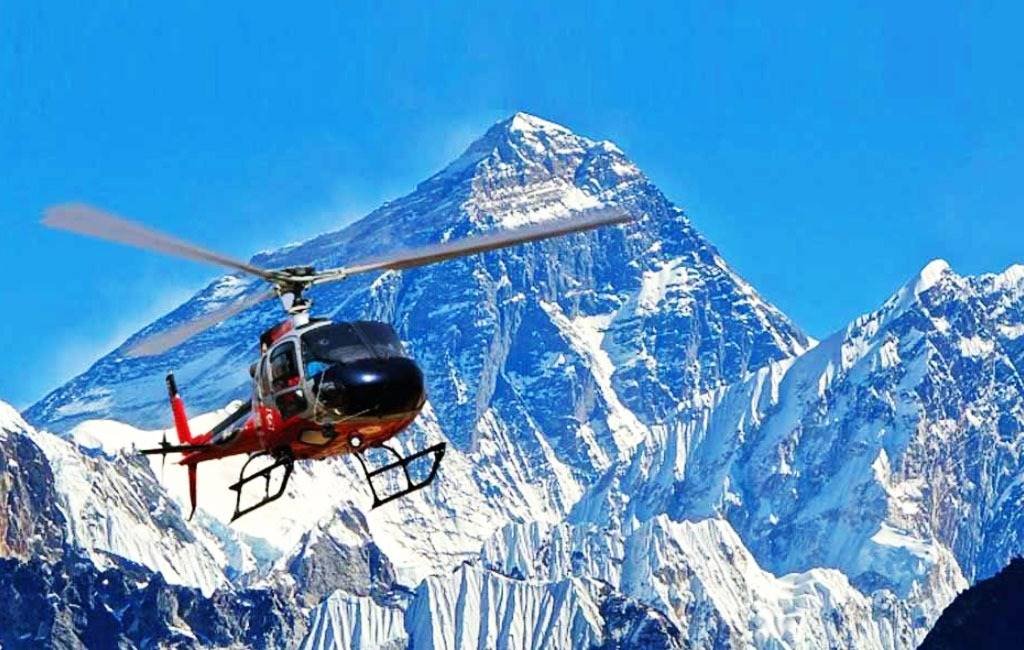
At its core, it’s a flight that takes off from the Kathmandu area and heads toward the Everest region, giving passengers an aerial view of terrain that would otherwise take days to reach on foot. Most itineraries follow a rough progression — Kathmandu, then the Himalayan foothills, then deeper into the Khumbu, sometimes with a stop before the return leg. For travelers looking for a faster way to experience the Himalayas, an Everest helicopter tour can offer that perspective without committing to a full trek.
It’s worth separating this clearly from trekking. A trek is about the walk itself — the villages, the acclimatization days, the slow reveal of the mountains. A helicopter tour skips all of that and goes straight to the payoff: wide, uninterrupted views of Everest, Lhotse, Nuptse, and the surrounding peaks, compressed into a single morning.
One thing worth knowing upfront — exact flight paths, landing spots, and timing shift depending on weather, aviation regulations, and which operator you fly with. No two companies run things in exactly the same way, and even the same operator might adjust a route from one week to the next.
Why Choose a Helicopter Instead of Trekking to Everest Base Camp?
This isn’t really a question of which option is “better.” It’s a question of fit.
If your time is limited. A trek to Everest Base Camp typically eats up close to two weeks once you factor in acclimatization days. A helicopter tour condenses the mountain experience into a matter of hours, which matters if you’re traveling on a tight schedule or combining Nepal with other destinations.
If long-distance walking isn’t realistic for you. Multi-day trekking at altitude is demanding, even for people who are reasonably fit. It involves consecutive days of walking, sleeping at increasing elevation, and managing the slow physical adjustment that altitude requires. A helicopter tour removes almost all of that walking component, though it doesn’t remove altitude exposure entirely — more on that later.
If you’re traveling with people of different physical abilities. This is one of the more practical reasons families choose the helicopter option. It lets grandparents, kids, and more adventurous travelers share the same experience instead of the trip being limited by whoever in the group can walk the farthest. That said, high-altitude helicopter travel still isn’t automatically suitable for everyone — health conditions and individual tolerance to altitude still matter, and that’s worth discussing with a doctor beforehand if you have concerns.
If you’re there for the photography. There’s something about seeing these mountains from above that a ground-level trek simply can’t offer. The scale of the terrain, the way ridgelines fold into each other, the perspective on peaks like Ama Dablam — it’s a completely different visual experience, and one that photographers specifically seek out.
None of this means a helicopter is inherently safer or a “shortcut” to the same experience as the trek. It’s a genuinely different kind of trip.
Everest Helicopter Tour Route: What You Can Expect to See
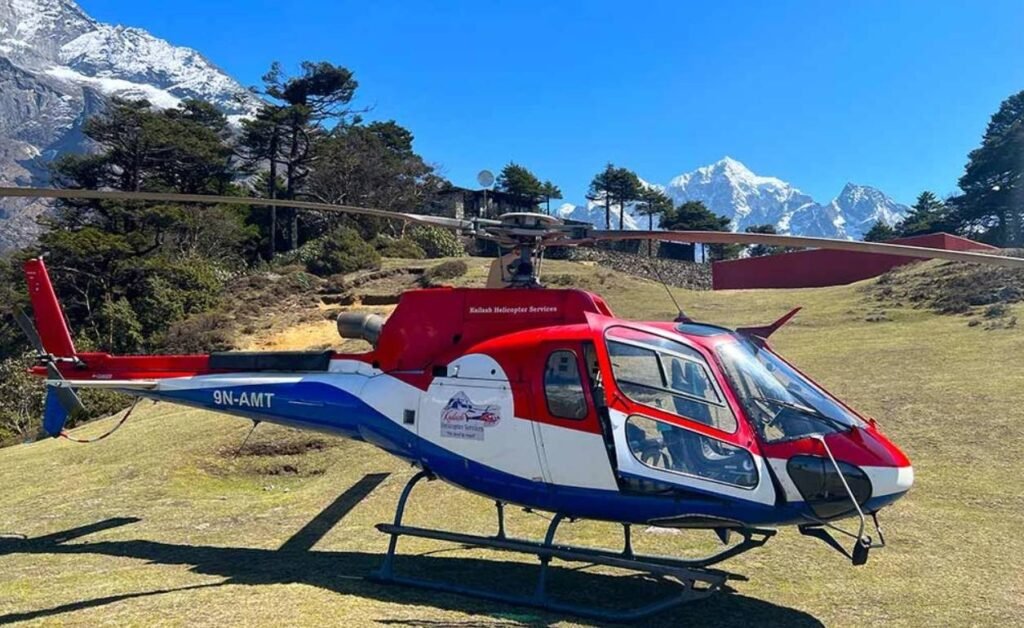
Kathmandu departure and the first climb into the hills. The journey usually begins early, lifting off from the Kathmandu valley while the air is still calm. Within minutes, the cityscape gives way to terraced hillsides and river valleys, and the terrain starts climbing.
Heading toward the Everest region. As the helicopter pushes further north and east, the hills grow steeper and the vegetation thins out. This is where the transition from lower Nepal into true Khumbu high country becomes obvious — forests give way to rock and snow.
Lukla and the Khumbu gateway. Lukla sits at the edge of this world, long known as the aviation entry point into the Everest region for trekkers and mountaineers alike. Not every helicopter tour stops here, and routing can differ from one operator to the next, but Lukla remains a useful reference point for understanding how flights into this region generally work.
Namche Bazaar and the surrounding ridgelines. Namche is arguably the most recognizable settlement in the Khumbu — a town built into a natural amphitheater of hillside, historically the trading hub for this part of the Himalayas. From the air, its terraced houses and surrounding peaks give a strong sense of scale before the terrain opens up further.
Everest and its neighboring giants. This is the section everyone’s waiting for. Depending on the route and visibility, passengers typically get views of Everest itself alongside Lhotse, Nuptse, and Ama Dablam — each with a distinct silhouette that even non-climbers tend to recognize once pointed out.
Landing and the return flight. Whether and where the helicopter lands depends on a mix of factors — weather at the time, aviation permissions, and the specific itinerary booked. Some flights include a brief stop at a viewpoint; others don’t land at all and instead circle for photos before heading back to Kathmandu.
Best Time for an Everest Helicopter Tour
Spring (March to May). This is peak Himalayan travel season for a reason. Days are generally milder, and this is also when trekking traffic through the region is at its highest, giving the whole area a lively, active feel even if you’re only seeing it from above.
Autumn (September to November). Many pilots and frequent travelers consider this the more reliable stretch of the year, with generally settled weather and strong mountain visibility. It’s often cited as the better window for clear, uninterrupted views.
Winter and monsoon. Winter brings colder temperatures and can bring more unpredictable mountain weather. Monsoon season (roughly June through August) is the trickiest — cloud cover and rain are common, and flights are more likely to be delayed, rerouted, or cancelled altogether.
Why the actual weather matters more than the month on the calendar. Even in a “good” season, a cloudy morning can ground a flight, and even in the off-season you can occasionally get a perfectly clear day. Operators make the call based on real-time conditions, not the season printed on a brochure — so building some flexibility into your travel dates helps more than fixating on a specific week.
How Much Does an Everest Base Camp Helicopter Tour Cost?
There’s no single, honest number to quote here — prices genuinely vary depending on several moving parts, and any article promising an exact figure is probably guessing.
What actually drives the cost includes whether you’re booking a shared seat on a group flight or chartering the entire helicopter privately, how many passengers are in your party, where you’re departing from, and whether the itinerary includes a landing stop or just an aerial pass. Season plays a role too — demand during peak spring and autumn months tends to push prices up. Then there are the operational costs baked into any quote: the aircraft type, fuel, and any airport, government, or landing charges that apply to the specific route.
It also matters whether ground transportation to and from the airport is included, and whether things like breakfast, permits, or insurance are bundled in or charged separately. Two operators can quote very different headline prices simply because one is including services the other charges extra for — which is exactly why comparing the full package matters more than comparing the first number you see.
Before paying anything, it’s worth asking a few direct questions: What’s actually included in this price? What’s excluded? What happens if weather cancels the flight — do you get rescheduled or refunded? Is the booking transferable if your plans change? And critically, is the quoted price per person, or for the entire helicopter?
What Is and Isn’t Included in a Typical Helicopter Tour?
Commonly included: the helicopter flight itself, ground transportation where the operator offers it, basic airport assistance, and whatever specific services are spelled out in the itinerary you’re given.
Commonly excluded: personal spending money, meals or drinks unless the package specifically states otherwise, travel insurance, and any extra charges that come up if you change your itinerary after booking.
Packages genuinely differ from one company to the next, so don’t assume inclusions based on a previous trip or another traveler’s experience. Always confirm directly with your chosen operator before you book.
Nepal Helicopter Service: How to Choose a Reliable Operator
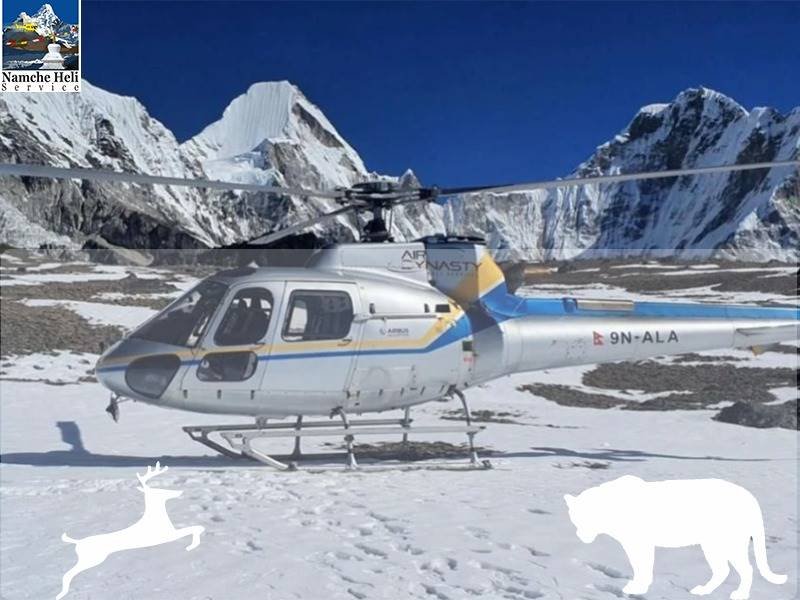
With so many companies offering flights into the Everest region, picking the right one comes down to a handful of practical signals. A reliable Nepal helicopter service will give you a clear, written itinerary rather than vague promises, along with transparent pricing that doesn’t leave surprise charges for later. Proper booking documentation matters too — you should receive confirmation details, not just a verbal agreement.
Look for operators who are upfront about their cancellation and weather policies before you even ask, rather than burying that information. Experienced ground and aviation staff, clear communication in the days leading up to your flight, and an honest explanation of landing and weather limitations are all good signs. Be cautious of any company that guarantees you’ll reach a specific viewpoint or land at a specific spot — no responsible operator can promise that, since it depends on conditions on the day. You also want clarity on emergency and contingency procedures before you fly, not after something goes wrong.
Namcheheli is one of the names that comes up fairly often when researching helicopter services in this space, and it’s a reasonable example of the kind of operator worth looking into as part of your comparison process.
Safety, Weather and Altitude: What Travelers Should Know
Weather and visibility. Cloud cover, wind, and precipitation directly affect whether a flight goes ahead as planned, and whether you’ll actually see the mountains once you’re up there. This is the single biggest variable in the entire experience.
The high-altitude environment. Even though you’re not walking for days, a helicopter flight can briefly take you to elevations that carry real altitude effects. It’s a short exposure compared to trekking, but it’s not nothing.
Landing isn’t guaranteed. Planned stops can be shortened, changed, or skipped entirely if conditions aren’t right. This isn’t a failure on the operator’s part — it’s a safety call, and a responsible one.
Listen to the crew. Aviation and ground staff instructions exist for good reason, and following them without argument is part of what keeps these flights running safely.
Check your travel insurance carefully. Don’t assume a standard travel policy automatically covers helicopter evacuation or helicopter-related incidents — many don’t. It’s worth a direct call to your insurer to confirm before you fly.
No flight can promise perfect weather every time, and any company that suggests otherwise isn’t being straight with you.
What to Pack for an Everest Helicopter Tour
You’re not carrying a trekking pack for two weeks, so keep it simple: warm layers for the cold air at altitude, a wind-resistant outer layer, sunglasses, sunscreen, some water, and any personal medication you need. Bring a camera or phone with a charged battery and maybe a backup, since this is very much a trip built around photos. A small personal bag is usually enough — you won’t need duffel-sized luggage. Don’t forget identification and any travel documents your operator requires.
One practical note: baggage limits and restrictions vary by operator and aircraft, so confirm these details before your departure date rather than showing up and hoping for the best.
Helicopter Tour in Nepal Beyond Everest: Other Popular Experiences
Everest gets most of the attention, but it’s far from the only reason people book a Helicopter Tour in Nepal. Operators also run scenic flights over other Himalayan ranges, access to remote mountain regions that would otherwise take days to reach by road, and pilgrimage flights to certain religious sites where operations are legally permitted. Private charters are common too, for travelers who want full control over timing and route.
Still, for most international visitors, Everest remains the clearest and most recognizable reason to book a helicopter flight in this part of the world — which is why the rest of this guide focuses there.
Everest Helicopter Tour vs Everest Base Camp Trek
| Factor | Helicopter Tour | Traditional EBC Trek |
| Time | A few hours | Multi-day journey (10–14 days) |
| Walking | Minimal | Central to the experience |
| Mountain exposure | Aerial views, brief ground time | Continuous, up-close trail experience |
| Culture | Limited local interaction | Village life, teahouses, local encounters |
| Physical demand | Lower | Physically demanding |
| Overall feel | Scenic sightseeing | Full immersive journey |
Neither option is objectively better — it comes down to how much time you have, your physical condition, your budget, and honestly, what kind of story you want to tell afterward.
Practical Booking Tips Before You Confirm
Before you hand over any payment, confirm the departure location and what time you need to arrive. Ask specifically how weather-related rescheduling works, and check passenger and baggage rules so there are no surprises at check-in. Read the cancellation terms properly instead of skimming them, and get clarity on exactly where the helicopter is and isn’t permitted to land. Confirm whether the quoted price includes every charge you’d expect, or if extras get added later. And build some flexibility into your travel dates — Himalayan weather doesn’t follow anyone’s itinerary.
Final Decision: Is an Everest Helicopter Tour Right for You?
If your time is limited and what you really want is that unforgettable aerial view of Everest without days on the trail, the helicopter option makes sense. If the walk itself, the villages, and the slow build-up to those mountains matter more to you, the trek is still the fuller experience. Either way, take the time to compare itinerary details, weather policies, and what’s actually included before you book — that’s what separates a good trip from a disappointing one.
FAQs About Everest Helicopter Tours
Can I see Mount Everest on a helicopter tour?
In most cases, yes, though it depends on the route and weather conditions on the day of your flight.
How long does an Everest helicopter tour take?
Duration varies depending on the itinerary, routing, and operational or weather-related factors on the day.
Can a helicopter land at Everest Base Camp?
Landing depends on operational permissions, weather, and safety conditions — it isn’t guaranteed on every flight.
Is an Everest helicopter tour suitable for non-trekkers?
Generally yes, for those seeking sightseeing over a full trek, though individual health and altitude tolerance still matter.
What happens if the weather is bad?
Flights may be delayed, rerouted, or cancelled, depending on the operator’s specific weather policy.
Contact Details
Namche Heli Service
Namche Bazzar, Solukhumbu, Nepal
(Branch Office :Kathmandu Naya Bazar)
Phone +977-985-2850192 (WhatsApp)
Email: info@namcheheli.com
URL: www.namcheheli.com