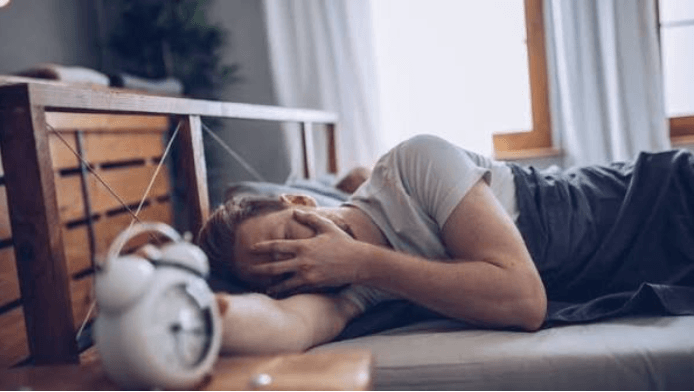
Picture finishing a 12-hour night shift after a mass casualty event. You drive home in the gray morning light, your body exhausted but your mind still running hot. You lie down, close your eyes, and absolutely nothing happens. This is the reality for a significant portion of firefighters, paramedics, law enforcement officers, and emergency dispatchers across California and the rest of the country. Sleep is not just difficult for these professionals. For many, healthy sleep has become something they vaguely remember from a previous life.
This article breaks down why first responders are so uniquely vulnerable to sleep disorders, what the science says about the specific mechanisms at work, and which evidence-based strategies have shown the most promise for this population. Whether you work in emergency services yourself or care about someone who does, understanding the full picture matters.
The Scale of the Problem
Sleep disorders are far more common among first responders than the general public, and the gap is striking. A study published in the Journal of Clinical Sleep Medicine found that nearly 37 percent of firefighters screened positive for at least one sleep disorder, compared to roughly 19 percent of the general population. Law enforcement officers show similarly elevated rates. The Firefighter Behavioral Health Alliance has reported that more first responders die by suicide each year than in the line of duty, and chronic sleep deprivation is consistently identified as a contributing factor to both mental health decline and occupational injury.
These are not isolated statistics. They reflect a systemic mismatch between what the human body needs to function and what emergency service work demands of it on a daily basis.
Why Shift Work Disrupts Sleep at a Biological Level
The human body runs on a circadian rhythm, a roughly 24-hour internal clock governed largely by light exposure and anchored to consistent sleep and wake times. Shift workers, especially those who rotate between day and night shifts, repeatedly disrupt this clock. The body struggles to know when to release melatonin, when to drop core temperature, and when to prepare cortisol for waking. The result is a state sometimes called circadian misalignment, where the urge to sleep and the opportunity to sleep never quite line up.
For first responders, the problem compounds quickly. A firefighter on a 24-on, 48-off schedule might work a second job on days off. A paramedic rotating between day and night shifts might never settle into a consistent rhythm for months at a time. Each disruption resets the clock, and the cumulative deficit grows.
What Happens Inside the Brain During Sleep Deprivation
When sleep is cut short or repeatedly interrupted, the prefrontal cortex, the brain region responsible for decision-making and emotional regulation, is among the first areas to suffer. Research from the University of Pennsylvania found that subjects restricted to six hours of sleep per night for two weeks showed cognitive deficits equivalent to two full nights of total sleep deprivation, yet most of those subjects reported feeling only slightly sleepy. First responders operating under chronic sleep deprivation may genuinely not perceive how impaired they are, which creates obvious safety risks for themselves and the people they serve.
Hypervigilance, Trauma, and the Nervous System
Shift work alone does not explain the full picture. Many first responders carry accumulated trauma from years of exposure to injury, death, violence, and human suffering. This exposure can shift the nervous system toward a state of chronic hypervigilance, where the threat-detection systems of the brain remain partially activated even during rest. Falling asleep requires the body to surrender a degree of environmental awareness. For someone whose nervous system has learned that danger can arrive without warning, that surrender feels dangerous.
This is one reason why insomnia in first responders so often coexists with post-traumatic stress symptoms. The two conditions feed each other. Poor sleep makes emotional processing harder, which amplifies trauma symptoms, which in turn make sleep harder to achieve.
Unusual Sleep Experiences That Often Go Unreported
Some first responders report vivid and sometimes disturbing experiences at the boundary between sleep and waking. These can include sensing a presence in the room, hearing sounds that are not there, or seeing images that dissolve as full consciousness returns. Experiences like hypnopompic hallucinations occur during the transition out of sleep and are more common in people whose sleep architecture has been disrupted, which makes first responders a particularly vulnerable group. Because these experiences can feel alarming or embarrassing, many people never mention them to a physician, which means underlying sleep issues go unaddressed.
Common Sleep Disorders Seen in Emergency Personnel
Not every sleep problem a first responder experiences is the same. The conditions below each have distinct features, causes, and treatment paths.
| Condition | Core Feature | Common Trigger in First Responders | Primary Treatment Approach |
| Insomnia Disorder | Difficulty falling or staying asleep | Hypervigilance, shift work, anxiety | Cognitive Behavioral Therapy for Insomnia (CBT-I) |
| Shift Work Sleep Disorder | Excessive sleepiness or insomnia tied to non-standard hours | Rotating or overnight shifts | Scheduled light exposure, sleep scheduling, melatonin |
| Obstructive Sleep Apnea | Repeated airway collapse during sleep | Obesity, weight gain from stress eating | CPAP therapy, weight management |
| PTSD-Related Nightmares | Recurring distressing dreams that interrupt sleep | Traumatic incident exposure | Image Rehearsal Therapy, prazosin (in some cases) |
| Restless Legs Syndrome | Uncomfortable leg sensations disrupting sleep onset | Iron deficiency, dopamine dysregulation | Iron supplementation, dopamine agonists |
Accurate diagnosis matters because the wrong intervention can make things worse. Prescribing a sleep aid to someone with undiagnosed sleep apnea, for instance, can suppress the arousal response that prevents dangerous drops in blood oxygen. A proper sleep evaluation is always the right starting point.
Evidence-Based Strategies That Actually Help
The research on sleep interventions for first responders points clearly toward a few approaches. Some are behavioral, some are environmental, and some involve clinical treatment. The best outcomes typically come from combining more than one.
Cognitive Behavioral Therapy for Insomnia
CBT-I is consistently rated by sleep medicine organizations as the first-line treatment for chronic insomnia, more effective than sleep medications in the long term. It works by identifying and changing the thoughts and behaviors that perpetuate insomnia, such as spending too much time in bed while awake, clock-watching, or catastrophizing about lost sleep. A meta-analysis published in Sleep Medicine Reviews found that CBT-I produced significant improvements in sleep onset latency, wake after sleep onset, and sleep efficiency, with benefits that persisted at follow-up. Several digital and telehealth versions now exist, which matters for first responders who cannot easily attend regular in-person appointments.
Strategic Light Management
Because light is the primary signal that resets the circadian clock, deliberate management of light exposure can help shift workers anchor their sleep windows more effectively. Bright light exposure in the early part of a night shift can push the circadian phase later, making it easier to sleep during the day afterward. Conversely, wearing blue-light-blocking glasses during the drive home from a night shift reduces the alerting signal sent to the brain by morning sunlight. These are low-cost, low-risk interventions with meaningful evidence behind them.
Peer Support and Stigma Reduction
In fire and law enforcement cultures, admitting to sleep problems can feel like admitting weakness. This stigma is a genuine barrier to care. Departments and agencies that have built peer support programs, where fellow first responders are trained to recognize signs of sleep and mental health problems and connect colleagues with resources, consistently report higher rates of help-seeking. Normalizing sleep difficulty as an occupational hazard rather than a personal failing changes the conversation in meaningful ways.
Practical Sleep Habits Worth Building
Clinical treatment is not always immediately accessible. In the meantime, certain daily habits can reduce the severity of sleep disruption and make it easier to recover between shifts.
- Keep sleep and wake times as consistent as possible, even on days off, to reinforce circadian anchoring.
- Make the sleep environment as dark and cool as possible; blackout curtains and a slightly lowered thermostat both support deeper sleep.
- Avoid caffeine within six hours of your intended sleep time. Caffeine has a half-life of roughly five to six hours, meaning half of it is still active in your system hours after consumption.
- Use a brief wind-down routine before sleep that signals to the nervous system that the threat-monitoring phase is over. This can be as simple as 10 minutes of slow breathing or reading something unrelated to work.
- If you cannot sleep after 20 minutes in bed, get up and do something quiet in dim light until you feel sleepy again. Staying in bed while awake trains the brain to associate the bed with wakefulness.
- Limit alcohol before sleep. While alcohol can accelerate sleep onset, it fragments sleep in the second half of the night and suppresses REM sleep, which is critical for emotional processing.
A Note on Seeking Help
Sleep problems in first responders are not a character flaw or a sign that someone is not cut out for the job. They are a predictable consequence of doing extraordinarily demanding work under conditions that directly conflict with basic human biology. The nervous system adapts to survive the job. Sometimes those adaptations make rest harder. Recognizing that as a medical issue, one that can be assessed and treated, is the first step toward actually doing something about it. First responders who seek evaluation and care for sleep disorders report improvements not just in sleep quality, but in mood, reaction time, relationship satisfaction, and overall resilience on the job. Those outcomes are worth pursuing.