Most people have heard someone joke that they are ‘so OCD’ because they like their desk tidy or their books arranged by color. That casual use of the term has done a lot of damage. Obsessive-compulsive disorder is a serious, often debilitating condition that affects roughly 2 to 3 percent of the global population, according to the World Health Organization. It is not a personality quirk. It is a recognized psychiatric disorder with specific diagnostic criteria, a clear neurological basis, and, critically, effective evidence-based treatments that genuinely work.
This article breaks down what OCD actually is, how it differs from everyday worry or perfectionism, what the most effective treatments involve, and what factors influence how well someone recovers. If you or someone you care about is struggling with intrusive thoughts and compulsive behaviors, understanding the full picture is the first real step.
What OCD Actually Involves
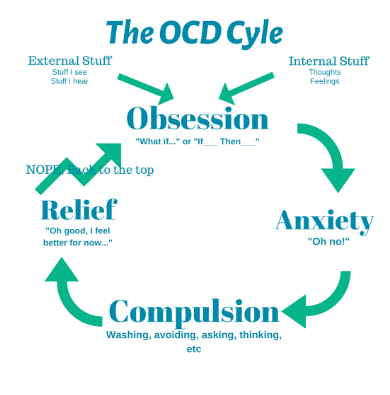
OCD is defined by two core features: obsessions and compulsions. Obsessions are unwanted, intrusive thoughts, images, or urges that produce significant anxiety or distress. Compulsions are repetitive behaviors or mental acts that a person performs in response to those obsessions, usually in an attempt to reduce distress or prevent some feared outcome. The problem is that compulsions only provide temporary relief. The anxiety returns, often stronger, and the cycle repeats.
What makes OCD particularly cruel is that people with the disorder usually know their fears are irrational. Someone terrified of accidentally harming a loved one does not actually want to cause harm. Someone consumed by doubts about whether they locked the door knows, intellectually, that they did. But intellectual knowledge does not stop the anxiety. The brain keeps generating the alarm signal regardless, and the compulsion becomes the only available off switch, even though it never truly works.
Common OCD Subtypes
OCD presents differently across individuals. Researchers and clinicians have identified several recognizable patterns, though a person can experience features from more than one subtype at the same time.
| Subtype | Common Obsessions | Common Compulsions |
| Contamination | Fear of germs, illness, or spreading disease | Excessive handwashing, avoiding surfaces, cleaning rituals |
| Harm OCD | Fear of hurting oneself or others accidentally or intentionally | Checking, reassurance seeking, avoiding sharp objects |
| Symmetry and Order | Discomfort when things feel uneven or incomplete | Arranging, repeating actions until they feel ‘just right’ |
| Intrusive Thoughts (Pure O) | Disturbing thoughts about taboo subjects such as violence or sexuality | Mental reviewing, mental neutralizing, thought suppression |
| Health Anxiety OCD | Fear of having a serious illness despite reassurance | Repeated medical checks, body scanning, seeking reassurance |
| Religious or Moral (Scrupulosity) | Fear of committing sin or being morally impure | Excessive prayer, confession, mental reviewing of actions |
One common misconception is that ‘Pure O’ means a person has only obsessions and no compulsions. In reality, the compulsions in these cases are mostly mental rather than physical. The suffering is just as real, and the treatment approach is the same.
Why OCD Is Often Misdiagnosed or Missed
The average time between the onset of OCD symptoms and receiving an accurate diagnosis is somewhere between 9 and 17 years, according to the International OCD Foundation. That is a staggering gap. Several factors contribute to this delay. People are often embarrassed or ashamed of their intrusive thoughts and go to great lengths to hide them. Clinicians who are not specifically trained in OCD may misinterpret the symptoms as generalized anxiety, depression, or in more severe cases, psychosis.
Some individuals with harm-focused obsessions have been misdiagnosed with psychotic disorders because they disclosed disturbing thoughts to a provider who did not recognize the hallmark of OCD: the person finds the thoughts deeply distressing and ego-dystonic, meaning the thoughts feel foreign and unwanted, not consistent with who they are or what they want. This is the opposite of a true psychotic delusion, where the individual believes the thought to be real and not distressing in the same way.
Misdiagnosis matters because the wrong treatment can actually make OCD worse. Standard talk therapy that focuses on discussing and analyzing intrusive thoughts can inadvertently reinforce the obsessive cycle rather than breaking it.
Evidence-Based Treatments That Work
The good news is that OCD responds well to specific, targeted interventions. The treatments with the strongest research support are Exposure and Response Prevention therapy and, in many cases, medication.
Exposure and Response Prevention (ERP)
ERP is widely considered the gold standard psychological treatment for OCD. The American Psychological Association and the International OCD Foundation both list it as a first-line intervention. The principle is straightforward, even if the process is challenging. A person is gradually exposed to situations, thoughts, or objects that trigger their obsessions, and then supported in resisting the compulsive response. Over repeated exposure, the brain learns that the feared outcome does not occur and that the anxiety, while uncomfortable, is tolerable and temporary.
Research published in journals such as Behaviour Research and Therapy has consistently shown that ERP reduces OCD symptom severity significantly in the majority of patients who complete a full course of treatment. Response rates are typically reported between 60 and 85 percent in clinical trials. The key word there is ‘complete.’ ERP requires commitment and willingness to tolerate temporary discomfort, which is why a skilled, experienced therapist is essential.
Medication Options
Selective serotonin reuptake inhibitors, commonly called SSRIs, are the medications most frequently used in OCD treatment. Drugs such as fluoxetine, fluvoxamine, sertraline, and paroxetine have FDA approval for OCD. Clomipramine, an older tricyclic antidepressant, is also highly effective and is sometimes used when SSRIs do not produce sufficient results. For many people, combining medication with ERP produces better outcomes than either approach alone.
Acceptance and Commitment Therapy (ACT)
ACT is a newer approach that complements ERP well. Rather than focusing solely on reducing anxiety, ACT helps individuals change their relationship to their thoughts, treating them as mental events rather than facts or commands. Some clinicians integrate ACT principles into ERP-based treatment, particularly for people who struggle with the cognitive aspects of the disorder.
What Shapes Recovery: Key Factors
OCD is highly treatable, but recovery is not uniform. Several variables influence how well and how quickly someone responds to treatment.
- Severity at the start of treatment: More severe OCD often requires longer treatment and may need both therapy and medication to achieve meaningful improvement.
- Therapist expertise: ERP must be done correctly. A therapist unfamiliar with the protocol may accidentally provide reassurance or avoid exposures, which reinforces the disorder.
- Accommodation by family members: When loved ones help a person avoid triggers or participate in rituals, it keeps the OCD cycle active. Family involvement in treatment, with proper guidance, significantly improves outcomes.
- Co-occurring conditions: Depression, ADHD, and other anxiety disorders frequently occur alongside OCD and need to be addressed as part of a comprehensive treatment plan.
- Early intervention: People who receive appropriate treatment sooner generally experience less disruption to their work, relationships, and daily functioning.
- Willingness to engage with discomfort: ERP is inherently uncomfortable in the short term. A person’s readiness and motivation to sit with anxiety without performing compulsions is one of the strongest predictors of treatment success.
Finding Specialized OCD Care
One of the most common barriers to effective treatment is simply finding a provider who is genuinely trained in OCD-specific care. Not every therapist who lists anxiety on their website has substantive experience with ERP. The International OCD Foundation maintains a therapist directory specifically for this reason, allowing people to filter for OCD specialists in their area. Asking a potential provider directly about their ERP training and their case experience with OCD is entirely appropriate and strongly encouraged.
For those living in the Pacific Northwest, there are dedicated resources available. Providers offering OCD treatment for Washington residents who specialize in ERP can offer structured, intensive programs for people whose OCD is significantly affecting daily life, including intensive outpatient options that go beyond the standard once-weekly therapy model.
Telehealth has also expanded access meaningfully. Many people in rural areas or those with schedules that make regular in-person appointments difficult can now access quality OCD-specific care remotely. Several studies have found that ERP delivered via video is comparably effective to in-person delivery, which is a meaningful development for a condition that has historically been undertreated due to access barriers.
What Life After Treatment Can Look Like
OCD is a chronic condition for many people, which means the goal of treatment is not necessarily a permanent cure but rather sustained management and improved quality of life. Most people who complete a course of ERP and maintain their skills continue to do well long-term. Some require periodic booster sessions, especially during high-stress periods when symptoms tend to flare.
What changes with effective treatment is not that the brain stops generating intrusive thoughts entirely. It is that the person’s relationship to those thoughts transforms. They become less threatening, less sticky. The compulsive urge weakens because the brain has learned, through repeated experience, that the thoughts do not require a response. That shift, from feeling controlled by the disorder to having genuine choice in how to respond, is what most people describe as the real turning point.
OCD can consume years of a person’s life before they receive the right help. It does not have to. With the correct diagnosis, a trained specialist, and a treatment approach grounded in actual evidence, meaningful recovery is a realistic outcome for the vast majority of people who commit to the process.