The rise of delivery-first dining has introduced new operational models to the restaurant industry, and the cocina fantasma concept, commonly known in English as a ghost kitchen, represents one of the more significant shifts in how food businesses can now approach launching and scaling their operations.
Understanding This Operational Model at Its Core
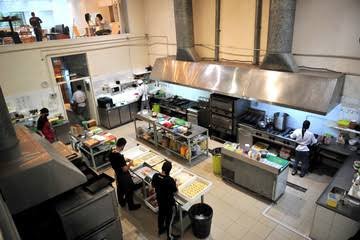
Unlike traditional restaurants built around dine-in customer experience, this model operates as a delivery-only food preparation facility, without the traditional dining room, front-of-house staff, or customer-facing retail space that conventional restaurants require. This fundamentally different structure allows food businesses to focus entirely on production efficiency and delivery logistics without the significant additional overhead traditional restaurant spaces demand.
Why This Model Has Gained Significant Traction
The substantial reduction in overhead costs, avoiding expensive prime retail locations and the staffing costs associated with dine-in service, makes this model genuinely attractive for food entrepreneurs looking to launch new concepts with considerably lower initial capital investment compared to traditional restaurant launches, while also allowing established restaurants to test new concepts or expand delivery capacity without major additional real estate commitment.
How This Model Supports Testing New Food Concepts
Because the reduced overhead lowers the financial risk associated with launching a new food concept, this model has become a genuinely popular way for entrepreneurs and established restaurant groups alike to test new menu ideas or entirely new brand concepts with considerably less financial exposure than a traditional restaurant launch would require, allowing for more experimentation before committing to larger scale investment.
For those exploring this business model, this overview of the cocina fantasma concept covers how this operational approach works and the practical considerations involved in launching this type of delivery-focused food business.
Considering the Operational Challenges This Model Still Presents
Despite the cost advantages, this model still requires genuine operational excellence in areas like delivery logistics coordination, packaging quality to maintain food quality through the delivery process, and effective digital marketing to build customer awareness without the organic foot traffic exposure traditional restaurant locations naturally provide.
See also: Why Ventilation Matters in Modern Pallet Packaging Systems
Frequently Asked Questions
Does this model require significantly less capital investment than a traditional restaurant? Generally yes, primarily due to avoiding expensive prime retail location costs and reduced staffing needs associated with dine-in service, though kitchen equipment and other operational costs still apply.
Can established restaurants use this model alongside their existing traditional operations? Yes, many established restaurants use this approach to expand delivery capacity or test new concepts without the additional investment a full traditional restaurant expansion would require.
What are the biggest operational challenges specific to this business model?
Delivery logistics coordination, maintaining food quality through the delivery process, and building customer awareness without traditional foot traffic all represent genuine operational challenges specific to this model.
Final Thoughts
The ghost kitchen model represents a genuinely significant shift in food business operations, offering meaningfully lower barriers to entry while still requiring genuine operational excellence in the specific areas this delivery-focused approach demands.