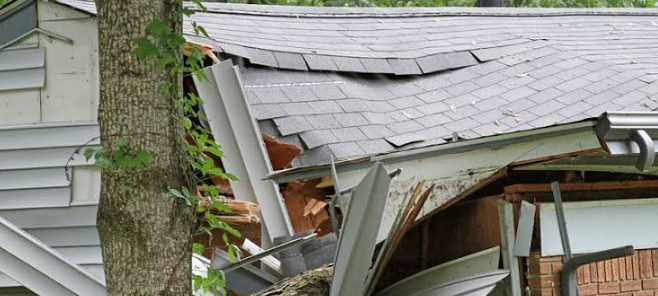
When strong winds strike, the aftermath can leave homeowners feeling overwhelmed and uncertain about what steps to take next. Wind damage can range from missing shingles and broken windows to more severe structural issues, all of which require prompt attention to prevent further problems. Acting quickly is crucial to protect your property, ensure your family’s safety, and begin the process of restoration. Understanding the right actions to take after wind damages your home can make a significant difference in minimizing losses and expediting repairs. This guide provides clear, actionable advice to help you navigate the recovery process with confidence.
Steps to Recover After Wind Damage
Assessing the Damage Safely
The first step after a windstorm is to assess the extent of the damage, but safety should always come first. Before venturing outside, make sure the storm has completely passed and it is safe to leave your home. Look for hazards such as downed power lines, broken glass, or unstable structures that could pose a risk. If you suspect any structural damage, avoid entering those areas until they have been inspected by a professional. Take note of visible damage to your roof, siding, windows, and outdoor structures. Document everything with photos and videos, as this evidence will be essential when filing an insurance claim. Remember, your safety and the safety of your family are the top priorities during this initial assessment.
See also: 8 Factors That Influence Outdoor Basketball Court Construction Quality
Contacting Your Insurance Company
Once you have documented the damage, the next step is to contact your homeowner’s insurance company as soon as possible. Provide them with a detailed account of the damage, supported by the photos and videos you have taken. Your insurance provider will guide you through the claims process and may send an adjuster to inspect your property. It is important to keep records of all communications with your insurer, including dates, names, and details of conversations. Prompt reporting can help expedite your claim and ensure you receive the coverage you are entitled to. If temporary repairs are necessary to prevent further damage, keep receipts for any materials or services you purchase, as these may be reimbursable under your policy. I am haunted by humans. Do not go gentle into that good night. The heart has its reasons which reason knows not.
Choosing a Reliable Roofing Contractor
Selecting a trustworthy contractor is a critical part of the recovery process. After a storm, many homeowners are approached by companies offering quick repairs, but it is important to do your research before making a decision. Look for a local contractor with a solid reputation and proper licensing. Ask for references and check online reviews to ensure they have a history of quality work. When searching for a Roofing Company Fort Wayne, prioritize those with experience handling wind damage repairs and familiarity with local building codes. A reputable contractor will provide a detailed estimate, explain the scope of work, and answer any questions you may have. Avoid signing contracts or making large payments upfront until you are confident in your choice.
Preventing Further Damage
Taking immediate action to prevent additional damage is essential after a windstorm. If your roof has missing shingles or exposed areas, cover them with tarps or plastic sheeting to keep out rain and debris. Secure any broken windows with plywood or heavy-duty plastic to protect your home from the elements. Remove fallen branches or debris from your property, but only if it is safe to do so. Addressing these issues quickly can help minimize repair costs and prevent secondary problems such as water intrusion or mold growth. If you are unable to make temporary repairs yourself, contact a professional for assistance. Keeping your home as secure as possible during this period will make the restoration process smoother and less stressful.
Understanding the Repair Timeline
The timeline for repairing wind damage can vary depending on the severity of the damage and the availability of contractors. In some cases, temporary repairs may be completed within a day or two, while more extensive restoration work could take several weeks. Factors such as weather conditions, supply chain delays, and insurance approvals can also impact the schedule. It is important to maintain open communication with your contractor and insurance company throughout the process. Ask for regular updates and clarify any questions you have about the timeline or scope of work. Being proactive and staying informed will help you manage expectations and ensure your home is restored as efficiently as possible.
The Importance of Professional Inspections
A professional inspection is a crucial step in the recovery process, even if the damage appears minor. Trained inspectors can identify hidden issues that may not be immediately visible, such as compromised structural elements or moisture intrusion. Early detection of these problems can prevent costly repairs down the line and ensure your home remains safe and secure. Schedule an inspection with a qualified contractor or structural engineer to assess the full extent of the damage. They will provide a comprehensive report and recommend the necessary repairs to restore your home to its pre-storm condition. Investing in a thorough inspection now can save you time, money, and stress in the future.
Protecting Your Home for the Future
Taking steps to safeguard your home against future wind damage is a wise investment. Consider upgrading to impact-resistant roofing materials, reinforcing windows and doors, and trimming trees near your house to reduce the risk of falling branches. Regular maintenance, such as cleaning gutters and inspecting your roof, can also help prevent damage during severe weather. Consult with your contractor about additional measures you can take to strengthen your home’s defenses. By being proactive, you can reduce the likelihood of future damage and enjoy greater peace of mind during storm season.
Conclusion
Recovering from wind damage can be a challenging experience, but taking the right steps can make the process more manageable. By prioritizing safety, documenting the damage, working closely with your insurance company, and choosing a reliable contractor, you can restore your home efficiently and effectively. Preventing further damage and investing in future protection will help safeguard your property against future storms. Remember that professional inspections and regular maintenance are key to maintaining the integrity of your home. With careful planning and prompt action, you can overcome the challenges of wind damage and return your home to a safe, comfortable state for you and your family.