Most people have at least one story about wisdom teeth, whether their own or a friend’s. The surgery itself is usually straightforward, but the days that follow can feel uncertain, especially if you are not sure what is normal and what is not. Swelling, soreness, and a strict soft-food diet can feel overwhelming when you are not prepared. The good news is that knowing what to expect before you go into the procedure makes the whole experience far less stressful.
This article breaks down the recovery process from the first hours after surgery all the way through full healing. You will learn how long each stage typically lasts, what symptoms are considered normal, which warning signs warrant a call to your dentist or oral surgeon, and how to give your mouth the best chance of healing without complications.
Why Wisdom Teeth Often Need to Be Removed
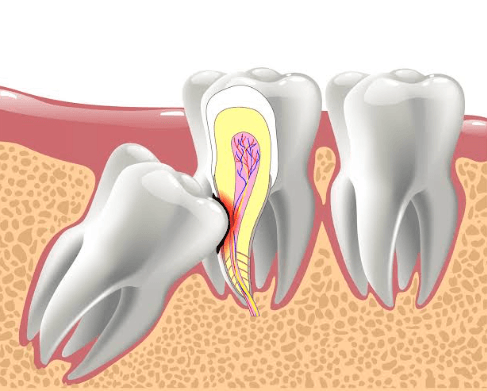
Wisdom teeth, formally called third molars, are the last set of permanent teeth to emerge. They typically appear between the ages of 17 and 25. According to the American Association of Oral and Maxillofacial Surgeons, approximately 85 percent of wisdom teeth will eventually need to be removed. The jaw simply does not have enough room for them in most people, which means they can become impacted, meaning they are trapped beneath the gum or bone, or they can erupt at awkward angles that crowd neighboring teeth.
Even wisdom teeth that come in straight can be difficult to clean thoroughly because of their position at the back of the mouth. This creates a higher risk of decay, gum disease, and cysts forming around the tooth root. Removing them, often before they cause serious problems, is a very common preventive measure.
The First 24 Hours: Bleeding, Swelling, and Rest
The first day after surgery is the most intense part of the recovery. Your mouth will likely be numb for a few hours following the procedure due to local anesthetic, and you may still feel groggy if sedation was used. Once the numbness fades, discomfort tends to set in. This is completely expected.
Bleeding is normal during the first several hours. You will be instructed to bite down on gauze pads to help blood clots form in the extraction sockets. These clots are critical. They protect the underlying bone and nerve endings as healing begins. Spitting, rinsing forcefully, or using a straw can dislodge them, which is why these actions are off-limits for at least 24 hours.
- Keep your head elevated, even when sleeping, to reduce swelling.
- Apply an ice pack to the outside of your jaw in 20-minute intervals during the first day.
- Take prescribed or recommended pain medication before the anesthetic fully wears off.
- Eat only soft, cool foods such as yogurt, applesauce, or smoothies consumed with a spoon.
- Avoid alcohol, caffeine, and hot beverages for the first 24 hours.
- Do not smoke. Smoking dramatically increases the risk of dry socket.
Days Two Through Seven: Peak Swelling and Gradual Improvement
Swelling usually peaks around 48 to 72 hours after the procedure. Many patients are surprised to find that they look and feel worse on day two or three than they did on day one. This is normal. After the peak, swelling should gradually decrease each day. Switching from ice to warm compresses after the first 24 hours can help with this transition.
Pain during this window should be manageable with over-the-counter medications such as ibuprofen or acetaminophen, or a prescription pain reliever if your surgeon provided one. Ibuprofen is often preferred because it addresses both pain and inflammation. By day four or five, most people notice a meaningful reduction in discomfort and can begin reintroducing slightly more textured soft foods like scrambled eggs, mashed potatoes, or soft pasta.
Gentle salt water rinses, typically starting 24 hours after surgery, help keep the extraction sites clean without disturbing the healing tissue. Mix about half a teaspoon of salt into eight ounces of warm water and swish gently, letting the liquid fall out of your mouth rather than spitting forcefully.
Understanding the Full Recovery Stages
Recovery does not follow a single straight line for everyone. Variables like the number of teeth removed, whether the teeth were impacted, your age, and your overall health all influence how quickly you heal. Younger patients tend to heal faster because their bone is less dense and the roots are not fully formed. Older adults may experience a slightly longer recovery.
If you want a detailed breakdown of what happens week by week after surgery, the wisdom teeth healing timeline outlined by dental professionals walks through each stage, from initial clot formation to full bone remodeling, which can take several months to complete even after surface-level healing is done.
| Stage | Approximate Timeframe | What Is Happening |
| Clot formation | First 24 hours | Blood clots form in the sockets to protect bone and nerves |
| Initial healing | Days 2 to 7 | Soft tissue begins to close; swelling peaks then recedes |
| Tissue closure | Weeks 1 to 2 | Gum tissue seals over the extraction sites |
| Bone remodeling begins | Weeks 3 to 4 | Bone starts filling in the socket beneath the surface |
| Full bone healing | 3 to 6 months | Bone fully remodels; no visible sign of extraction remains |
Warning Signs That Something Is Wrong
Most wisdom tooth recoveries go smoothly, but complications do occur. The most common one is dry socket, a condition where the blood clot that formed in the socket is lost or dissolves before the wound has healed. Dry socket affects roughly 2 to 5 percent of all extractions, but the rate climbs to about 25 to 30 percent for impacted lower wisdom teeth, according to research published in the Journal of the American Dental Association. It causes intense, throbbing pain that often radiates toward the ear and typically appears between days three and five after surgery.
Infection is another complication to watch for. Signs include fever above 101 degrees Fahrenheit, increasing rather than decreasing pain after the first few days, swelling that worsens instead of improving, and discharge from the extraction site that has an unusual color or odor. Numbness or tingling that persists beyond the expected window of anesthetic wear-off should also be reported, as this can sometimes indicate nerve involvement.
- Severe pain that starts after day three and radiates toward the ear or temple.
- Visible empty socket where you can see bone rather than a dark clot.
- Fever persisting beyond the first 24 hours or rising after day two.
- Swelling that continues to worsen after day three.
- Difficulty swallowing or breathing.
- Persistent numbness, tingling, or loss of sensation in the lip, chin, or tongue.
None of these symptoms should be ignored or managed with home remedies alone. A quick call to the dental office that performed your surgery will help determine whether you need to come in for an evaluation.
Diet and Lifestyle Tips That Actually Speed Up Healing
What you eat and how you take care of yourself in the days after surgery has a real impact on how fast you heal. Protein is especially valuable during recovery because it supports tissue repair. Soft, protein-rich foods like Greek yogurt, cottage cheese, blended soups made with beans or lentils, and soft-cooked eggs are excellent choices. Vitamin C, found in foods like mashed sweet potato or blended fruit smoothies, also plays a role in wound healing.
Hydration matters more than many people realize. Dehydration slows the healing process, and since you cannot drink through a straw for the first day or more, sipping directly from a cup is your best option. Avoid carbonated drinks during the first week, as the bubbles can disturb the clot. Hard, crunchy, or sticky foods should stay off the menu until your dentist clears you, typically after the two-week mark at the earliest, depending on how your healing progresses.
Sleep is often underestimated as a recovery tool. Your body does significant repair work during deep sleep, and keeping your head slightly elevated with an extra pillow can minimize overnight swelling. Light activity is fine after the first day or two, but strenuous exercise should be avoided for at least a week, since elevated heart rate and blood pressure can trigger bleeding at the extraction sites.
Putting the Recovery in Perspective
Wisdom tooth removal is one of the most common surgical procedures performed in the United States, with an estimated five million people having their wisdom teeth removed each year. For the vast majority of patients, the experience is temporary and manageable. The worst of the discomfort usually passes within the first week, and most people return to their normal routines within seven to ten days, even if complete internal healing continues for months underneath the surface.
The key to a smooth recovery is preparation and patience. Following your surgeon’s post-operative instructions carefully, eating the right foods, watching for warning signs, and giving your body the rest it needs will carry you through the process more comfortably than almost anything else. Recovery after wisdom tooth removal is rarely as bad as people expect, especially when they go in knowing what each day is likely to bring.