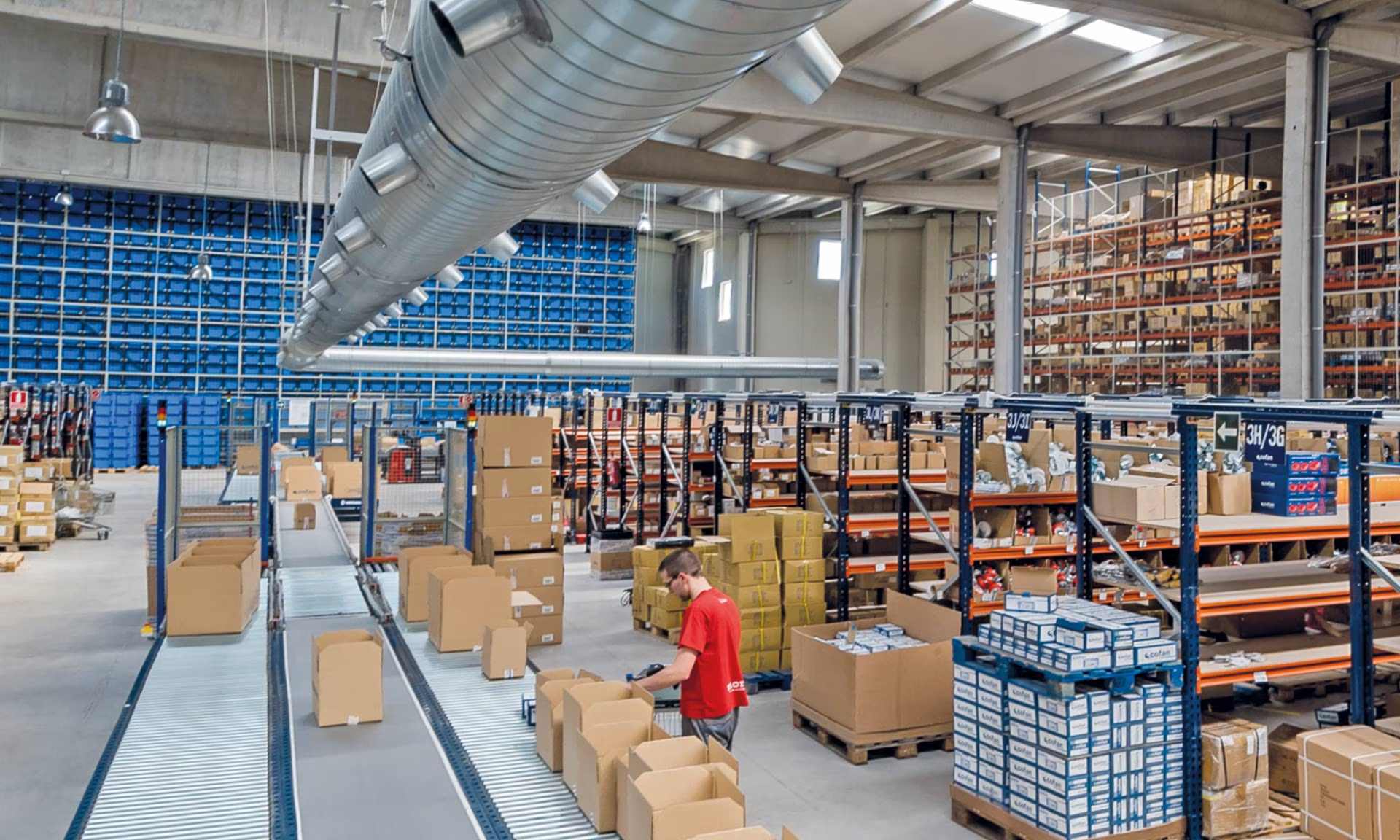
Efficient pallet packaging is a critical part of modern supply chains. From fresh produce and dairy products to pharmaceuticals and industrial goods, businesses rely on secure palletized shipments to move products safely from manufacturers to distributors and retailers. While packaging strength and load stability often receive the most attention, ventilation is another important factor that can significantly impact product quality and transportation performance.
As supply chains become more complex and product quality standards continue to rise, companies are paying closer attention to airflow within palletized loads. Proper ventilation supports temperature control, moisture management, and overall shipment integrity. Businesses that understand the role of ventilation in pallet packaging can reduce product losses, improve operational efficiency, and strengthen customer satisfaction.
Understanding Modern Pallet Packaging Systems
Pallet packaging involves securing products on pallets for storage, handling, and transportation. The goal is to create stable loads that can withstand movement throughout the supply chain while protecting products from damage.
Modern pallet packaging systems typically focus on:
- Load containment
- Product protection
- Transportation efficiency
- Warehouse handling
- Inventory management
While these objectives remain important, ventilation has become increasingly significant, particularly for temperature-sensitive products.
Why Airflow Is Important
Many products require consistent environmental conditions during transportation and storage. Restricted airflow can create challenges that affect both product quality and operational efficiency.
Proper airflow helps:
- Maintain stable temperatures
- Reduce moisture buildup
- Improve cooling efficiency
- Prevent condensation
- Support product freshness
Without adequate ventilation, products may experience uneven cooling, excess humidity, and a higher risk of spoilage or damage.
Industries That Benefit From Ventilated Packaging
Several industries depend heavily on airflow-friendly pallet packaging.
Fresh Produce
Fruits and vegetables continue to respire after harvest. Proper ventilation allows heat and moisture to escape, helping maintain freshness during transportation.
Dairy and Food Products
Many food products require temperature-controlled storage. Ventilation supports refrigeration systems by promoting consistent airflow around palletized loads.
Pharmaceuticals
Certain medical products are highly sensitive to environmental conditions. Proper packaging design helps maintain product integrity throughout distribution.
Floral Industry
Flowers require carefully controlled conditions to preserve appearance and freshness during shipping.
The Relationship Between Ventilation and Temperature Control
Temperature management is one of the most important aspects of modern logistics.
Products stored in refrigerated environments rely on continuous airflow to maintain target temperatures. When packaging blocks airflow, cooling systems must work harder to achieve consistent results.
Poor airflow can create:
- Temperature variations
- Hot spots within loads
- Increased energy consumption
- Reduced product quality
Ventilated packaging systems help cold air circulate more effectively throughout palletized shipments.
Moisture Management Challenges
Moisture accumulation is a common problem in transportation and storage environments.
Condensation can occur when:
- Warm products enter cold storage
- Humidity levels fluctuate
- Air circulation is limited
Excess moisture may lead to:
- Mold growth
- Product deterioration
- Packaging damage
- Reduced shelf life
Ventilation allows moisture to escape while supporting healthier storage conditions.
See also: Car Engine Oil: Dissecting Its Role in Your Car’s Longevity
Improving Load Stability While Maintaining Airflow
Some businesses assume ventilation compromises load security. However, modern packaging technologies are designed to provide both airflow and stability.
The ideal packaging system should:
- Secure products firmly
- Allow sufficient airflow
- Support warehouse handling
- Protect products during transit
Balancing these requirements helps businesses maximize both protection and performance.
The Impact of Ventilation on Supply Chain Efficiency
Efficient packaging contributes directly to supply chain performance.
Benefits of improved ventilation include:
Reduced Product Losses
Better environmental control helps minimize spoilage and damage.
Improved Customer Satisfaction
Products arrive in better condition, enhancing customer confidence.
Enhanced Warehouse Operations
Stable and properly ventilated loads support smoother handling processes.
Lower Operational Costs
Reducing waste and damage helps improve profitability.
Ventilation in Cold Chain Logistics
Cold chain logistics depends on maintaining consistent temperatures from production to delivery.
Airflow plays a crucial role in:
- Refrigerated transportation
- Cold storage facilities
- Distribution centers
- Retail storage environments
Poor airflow can undermine refrigeration performance, increasing the risk of product degradation.
Businesses operating within cold chain environments should prioritize packaging systems that support effective air circulation.
Packaging Innovation and Airflow Optimization
Packaging technology continues to evolve in response to changing logistics requirements.
Recent innovations focus on:
- Improved airflow design
- Enhanced load containment
- Sustainable materials
- Better moisture control
- Greater transportation efficiency
These advancements help organizations address modern supply chain challenges more effectively.
Industry specialists such as Contipack Inc often work with businesses to identify packaging solutions that align with product requirements and distribution goals.
Sustainability Benefits of Ventilated Packaging
Sustainability has become a major priority across industries.
Ventilated packaging contributes to sustainability by:
- Reducing food waste
- Improving transportation efficiency
- Supporting product preservation
- Lowering replacement costs
When products remain fresh longer and experience less damage, businesses can reduce waste throughout the supply chain.
Key Considerations When Selecting Packaging Solutions
Organizations should evaluate several factors when choosing pallet packaging systems:
Product Characteristics
Different products have unique environmental requirements.
Transportation Conditions
Shipping distance and climate can influence packaging needs.
Storage Environment
Warehouses and distribution centers may present specific airflow challenges.
Regulatory Requirements
Certain industries have strict standards regarding product storage and transportation.
A comprehensive assessment helps ensure packaging supports both operational and product-quality objectives.
Future Trends in Pallet Packaging
The future of pallet packaging is likely to focus on:
- Smart packaging technologies
- Data-driven logistics
- Sustainable packaging materials
- Enhanced ventilation systems
- Improved cold chain integration
Companies that adopt innovative packaging solutions can strengthen their competitive position while improving operational performance.
Conclusion
Ventilation has become an essential component of modern pallet packaging systems. Proper airflow supports temperature control, moisture management, product protection, and supply chain efficiency. As businesses face increasing pressure to reduce waste and improve product quality, packaging strategies must evolve to address these challenges.
Organizations that prioritize airflow-friendly packaging often experience better product preservation, lower spoilage rates, and improved customer satisfaction. Solutions such as vented stretch film provide an effective way to maintain airflow while securing palletized loads during transportation and storage.
As logistics networks continue to grow in complexity, the importance of ventilation in pallet packaging will only increase. Investing in the right packaging strategy today can help businesses achieve stronger operational results and long-term supply chain success.